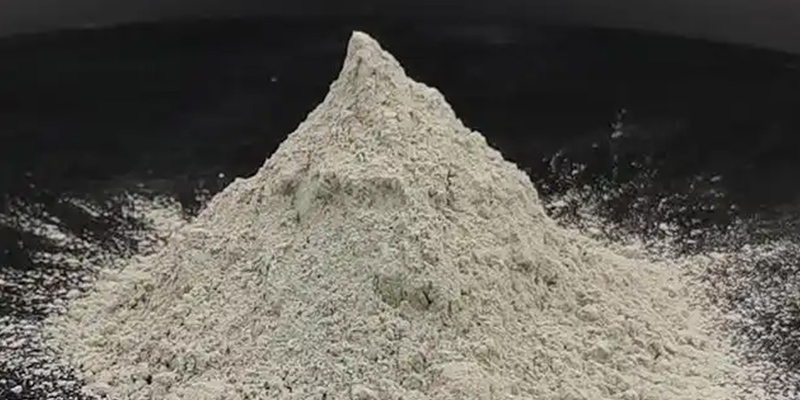
Refractory Cement Selection Guide: How to Choose for Kilns & Furnaces

Most furnace lining cracks, peeling and frequent shutdown repairs do not result from poor refractory cement quality. They mainly happen because users select the wrong refractory cement grade for specific working conditions. Choosing the right refractory cement effectively extends furnace lining service life, cuts factory operation and maintenance costs, and reduces unplanned equipment downtime. This practical industrial guide helps engineers and buyers select the best refractory cement based on actual temperature, flue gas and equipment working environments.

1. Wrong Refractory Cement Selection Causes Frequent Furnace Damage and Downtime

Standard mixing and curing processes cannot protect furnace linings if the refractory cement grade does not match working conditions. Mismatched refractory cement easily causes thermal cracking, surface peeling and chemical corrosion. Correct refractory cement selection brings three key benefits for industrial production:
  • Stable production operation: Well-matched refractory cement resists high temperature impact, thermal shock and chemical corrosion, and avoids frequent lining damage and production shutdowns.
  • Lower overall costs: Suitable refractory cement lasts much longer. It reduces repeated repairs, labor costs and downtime losses to save long-term factory operation expenses.
  • Protect supporting equipment: A stable refractory cement lining balances internal temperature and protects auxiliary equipment such as high-temperature dust collectors and bulk loaders from high-temperature corrosion and abrasion.
Many factories only focus on low upfront prices and apply ordinary refractory cement for high-temperature and corrosive working environments. This wrong choice increases maintenance frequency and energy consumption and leads to higher comprehensive operation costs.
Types of Refractory Cement

2. 5 Types of Refractory Cement: Temperature, Pros and Cons, Applications

Different refractory cement grades have huge differences in temperature resistance, performance and applicable scenarios. The following comparison table provides clear industrial reference for fast and accurate refractory cement selection.
Refractory Cement Type
使用温度
コアの利点
Unsuitable Scenarios
Cost Level
代表的なアプリケーション
High Alumina Refractory Cement
1600–1800°C
Excellent high-temperature stability, alkali resistance and abrasion resistance
Low-temperature temporary repairing (overqualified)
高い
Cement kiln burning zones, steel melting furnaces, long-term high-temperature equipment
Calcium Aluminate Cement (CAC)
1300–1500°C
Fast setting, high early strength, ideal for emergency furnace repair
Long-term ultra-high temperature and heavy corrosion working layers
ミディアム
Kiln emergency maintenance, routine repairing, fire brick bonding
Castable Refractory Cement
1400–1650°C
Seamless integral structure, strong bearing capacity, stable overall lining performance
Local thin-layer quick repairing
Medium-High
Integrated furnace lining pouring, large-area kiln renovation
Insulating Refractory Cement
1200–1350°C
Lightweight, low thermal conductivity, outstanding heat insulation and energy-saving effect
Wear-resistant working layers and frequent thermal shock environments
低い
Equipment thermal insulation layers, heat baffles, dust collector inner lining
Special Anti-Corrosion Refractory Cement
1500–1850°C
Strong resistance against alkali, sulfur and chlorine for harsh flue gas conditions
Clean and common flue gas working environments
High (Custom)
Solid waste disposal kilns, chemical corrosion furnaces, high-pollution high-temperature equipment

3. How to Select Refractory Cement: Match 4 Key Working Conditions

3.1 Select by Working Temperature (Reserve Safety Margin)

Always reserve a 100–200°C safety margin for refractory cement selection. Choose high alumina refractory cement for extreme working temperatures above 1600°C. Use standard calcium aluminate refractory cement for medium-temperature conditions between 1300°C and 1500°C. Adopt lightweight insulating refractory cement for insulation projects below 1350°C.

3.2 Select by Flue Gas Corrosion (Key Selection Tip)

Chemical corrosion ranks as the top cause of refractory lining failure. The alkaline, sulfur and chlorine components in cement kilns, incinerators and chemical furnaces quickly erode ordinary refractory cement. Use high alumina or custom anti-corrosion refractory cement for corrosive flue gas environments. Standard CAC refractory cement works well for clean flue gas conditions.

3.3 Select by Equipment Type

  • セメントロータリーキルン: Apply high alumina refractory cement for burning zones and anti-alkali refractory cement for transition sections and preheaters.
  • Metallurgical furnace: Choose high-strength slag-resistant refractory cement to resist molten metal scouring and thermal fatigue.
  • Boiler and incinerator: Prioritize sulfur-resistant and chlorine-resistant refractory cement for stable long-term operation.
  • 集塵機 そして バルクローダー: Adopt stable and wear-resistant insulating refractory cement for internal thermal protection and anti-aging performance.

3.4 Select by Construction Purpose

Use fast-setting calcium aluminate refractory cement for emergency furnace shutdown repairing. Choose castable or high-alumina refractory cement for new furnace pouring and long-term lining reconstruction to achieve higher structural stability.

4. Refractory Cement Cost Comparison: Cheap vs High-Grade Grades

Low-cost ordinary refractory cement only adapts to mild low-temperature and clean flue gas environments. It easily cracks and peels off under harsh conditions and causes repeated shutdown maintenance and extra production loss. High-grade high-alumina and anti-corrosion refractory cement requires slightly higher initial investment but extends lining service life by 2 to 3 times. It greatly reduces maintenance costs, downtime loss and energy consumption to deliver better long-term cost performance.

5. 7 Common Refractory Cement Selection and Usage Mistakes Most Factories Make

  • Only check temperature resistance data and ignore anti-corrosion and thermal shock resistance
  • Use fast-setting CAC refractory cement for long-term heavy-load high-temperature working layers
  • Apply lightweight insulating refractory cement on wear-resistant working surfaces and cause easy peeling damage
  • Use ordinary refractory cement for corrosive flue gas working conditions
  • Ignore frequent equipment start-stop cycles and thermal fatigue risks
  • Mix all refractory cement grades with the same water ratio and result in insufficient strength and cracks
  • Choose mismatched heavy-duty refractory cement for dust collector and bulk loader inner linings

6. Refractory Cement Selection Checklist for Engineers and Buyers

  • Confirm actual equipment working temperature and reserve enough safety margin
  • Check flue gas components for alkali, sulfur and chlorine corrosive substances
  • Clarify equipment type, abrasion degree and thermal shock frequency
  • Distinguish emergency repair construction and permanent integral pouring projects
  • Evaluate equipment start-stop frequency and match thermal shock resistance requirements
  • Focus on full lifecycle cost instead of unit price comparison only

7. Frequently Asked Refractory Cement Selection Questions

Q1: What is the best refractory cement for cement rotary kilns?
A: Use high alumina refractory cement for kiln burning zones and professional anti-alkali refractory cement for preheaters and transition sections to prevent alkali corrosion and cracking.
A: It only suits thermal insulation layer repairing. Do not use it for wear-resistant working layers that bear material scouring and mechanical friction.
A: Yes. Ordinary refractory cement easily pulverizes under alkali corrosion. High-alumina or anti-alkali refractory cement provides stable protection for harsh alkali working environments.
A: Medium-temperature insulating refractory cement with stable performance works best. It balances wear resistance, thermal insulation and anti-aging effects for auxiliary high-temperature equipment.

8. Conclusion

Refractory cement selection does not depend on the highest parameters but accurate working condition matching. Properly match refractory cement grades according to temperature range, flue gas corrosion, equipment type and construction demands to solve most lining cracking, peeling and corrosion problems. Scientific refractory cement selection stabilizes the operation of kilns, boilers, dust collectors, bulk loaders and other high-temperature equipment. It effectively reduces operation and maintenance costs and achieves long-term energy-saving and stable production.

下記フォームよりお気軽にお問い合わせください。24時間以内にご返信いたします。

* 名前:
国 :
* 電子メール:
Tel :
メッセージ :