
Сайт воздушный шиберный конвейер является основным оборудованием пневматической транспортировки, широко используемым для перекачки сыпучих материалов на линиях по производству клинкерного цемента. Благодаря простой конструкции, удобству технического обслуживания и стабильным эксплуатационным характеристикам данное оборудование широко применяется для транспортировки сырьевой смеси, цемента и других сухих порошкообразных материалов. В реальных условиях промышленной эксплуатации тканевая оболочка пневмоскользкого конвейера, являющаяся наиболее уязвимым элементом данного оборудования, часто подвергается истиранию, повреждениям и разрывам, что приводит к внеплановым остановкам, нестабильности непрерывного производства и увеличению затрат на эксплуатацию и техническое обслуживание. Исходя из условий эксплуатации и механизмов возникновения неисправностей пневмоскользковых конвейеров, в данной статье проводится систематический анализ основных эксплуатационных проблем и предлагаются комплексные меры по технической оптимизации. Путем улучшения напряжённого состояния ткань для надувных горки, устраняя риски, связанные с износом, и оптимизируя уплотнительные и крепежные конструкции оборудования, удается эффективно продлить общий срок службы пневматического конвейера. Данное исследование служит надежным техническим руководством для обеспечения долгосрочной и стабильной работы оборудования для транспортировки порошковых материалов в цементной промышленности.
0. Обзор оборудования и типичные эксплуатационные проблемы
0.1 Что такое пневматический конвейер?
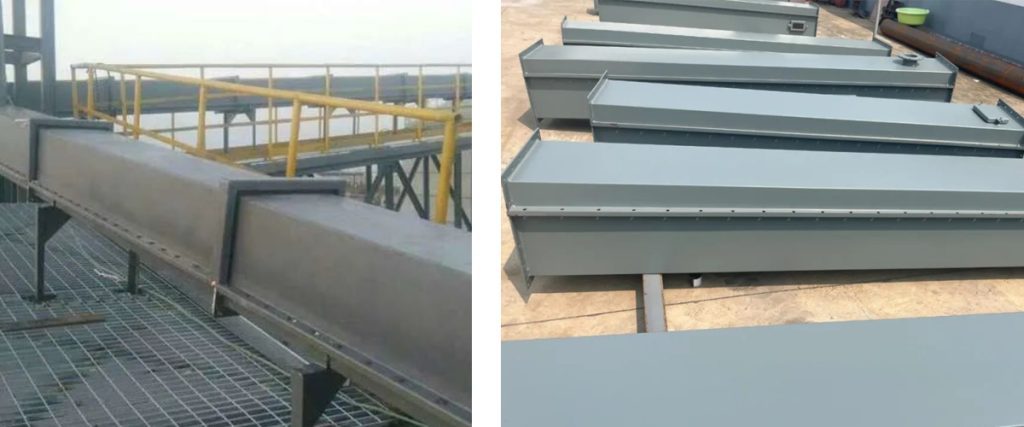
Пневматический скользящий конвейер представляет собой устройство для пневматической транспортировки под низким давлением, специально разработанное для сухих, несклеивающихся порошкообразных материалов. Он широко применяется в цементной промышленности, при переработке клинкерного сырья, на электростанциях и в химической промышленности. Оборудование состоит из верхнего и нижнего стальных корпусов, воздухопроницаемой ткани воздушного желоба, ситовой сетки, трубопроводов подачи воздуха и воздуходувок Рутса. Благодаря наклонной конструкции и отсутствию вращающихся механических частей, таких как шестерни или цепи, пневматический желобный конвейер является наиболее распространённым и незаменимым оборудованием для непрерывной транспортировки порошкообразных материалов, занимая лидирующие позиции среди наиболее востребованных промышленных транспортировочных устройств в глобальных базах данных оборудования.
0.2 Принцип работы пневматических конвейеров
Основной принцип работы пневмоскользящего конвейера заключается в флюидизации материала и самотечной транспортировке. Корпус оборудования разделен на верхнюю камеру для материала и нижнюю воздушную камеру, отделенные друг от друга высокопроницаемой тканью пневмоскользящего конвейера. Воздух высокого давления и низкой скорости, создаваемый нагнетателем Рутса, равномерно проникает через ткань пневмоскольжения, флюидизируя порошкообразные материалы внутри камеры для материала и приводя твердый порошок в состояние, сходное с жидким. Благодаря углу наклона установки от 6° до 10° флюидизированные материалы непрерывно скользят вниз под совместным действием силы тяжести и тяги воздушного потока, что обеспечивает стабильную и равномерную транспортировку материала. Избыточный воздух отводится через выпускное отверстие, что позволяет обеспечить полностью герметичную и беспыльную транспортировку.
0.3 Основные преимущества и условия применения пневматических конвейеров
Являясь одним из основных решений для транспортировки порошкообразных материалов, пневматический конвейер обладает рядом значительных преимуществ, включая простую механическую конструкцию, отличную герметичность, бесшумную работу, низкое энергопотребление и низкие затраты на техническое обслуживание. Он обеспечивает гибкую регулировку направления транспортировки, многоточечную подачу и многоточечную разгрузку, что позволяет ему полностью адаптироваться к условиям непрерывного промышленного производства. Данное оборудование предназначено исключительно для сухих порошкообразных материалов и не подходит для влажных, склонных к спеканию или крупнозернистых материалов. Стандартное рабочее давление воздуха составляет от 0,02 МПа до 0,06 МПа, что делает его идеально подходящим для транспортировки порошка сырьевой смеси, цементного порошка и шлакового порошка, благодаря чему он является незаменимым вспомогательным устройством для линий по производству клинкера.
1. Введение
В современных системах производства цементного клинкера, воздушные шиберные конвейеры имеют решающее значение для герметичной транспортировки порошкообразных материалов. Благодаря отсутствию вращающихся частей, низкому энергопотреблению, высокой герметичности и простоте эксплуатации они широко используются для транспортировки и равномерного распределения сырьевой смеси, цемента и микропорошка шлака. Теоретически пневматические конвейеры обладают длительным сроком службы благодаря отсутствию износа механической трансмиссии. Однако в реальных производственных условиях множество неблагоприятных факторов, включая неравномерную подачу воздуха, конструктивные недостатки, изменчивые условия работы с материалом и нестандартные процессы монтажа, приводят к частым повреждениям основного уязвимого компонента — ткань для надувных горки. Такие распространенные неисправности, как перфорация, разрывы, отслоение и засоры, приводят к снижению эффективности транспортировки и частым остановкам оборудования. Эти проблемы не только увеличивают затраты на замену оборудования и трудоемкость ручного технического обслуживания, но и вызывают неравномерное дозирование сырьевой смеси, что дестабилизирует процесс обжига клинкера и снижает качество конечной продукции. Для решения проблемы короткого срока службы промышленных пневмоскользных конвейеров в данной статье объединены механизмы работы оборудования и промышленные темы, пользующиеся высоким поисковым интересом; проводится систематический анализ типичных причин неисправностей и предлагается полный комплекс схем оптимизации конструкции и схем эксплуатационного обслуживания. Целью исследования является продление срока службывоздушные шиберные конвейеры путем оптимизации конструкции, совершенствования технологических процессов и стандартизации технического обслуживания, предоставляя практические технические рекомендации для обеспечения долгосрочной стабильной работы аналогичного оборудования для транспортировки порошка.
1.1 Распространенные неисправности пневматических конвейеров
Согласно данным глобального поиска промышленного оборудования и статистике эксплуатации на объектах, неисправности пневмоскользких конвейеров в основном подразделяются на четыре наиболее часто встречающихся типа, которые также являются предметом наибольшей озабоченности для персонала, занимающегося техническим обслуживанием промышленного оборудования. Во-первых, это быстрый износ и повреждение ткани пневмоскользкого конвейера, включая локальные пробоины, разрывы по краям и обрывы волокон, что является основной причиной остановки оборудования. Во-вторых, неэффективная транспортировка материала и заторы порошка, как правило, вызванные неравномерным давлением воздуха, снижением воздухопроницаемости полотна и закупоркой воздушных камер. В-третьих, утечка материала и выброс пыли, возникающие в результате неисправности торцевого уплотнения, повреждения уплотнения отверстий под болты и ослабления крепления корпуса. В-четвертых, перегрузка воздуходувки Рутса и появление аномального шума, вызванные неравномерным давлением воздуха в отдельном пневмоскользе и заблокированными воздуховодами, что легко приводит к выходу воздуходувки из строя и остановке производства. Эти неисправности взаимно усугубляют друг друга; неустраненные незначительные скрытые опасности приведут к цепной реакции отказов оборудования и значительно сократят общий срок службы пневмоскользовых конвейеров.
1.2 Рекомендации по ежедневному техническому обслуживанию пневматических конвейеров
Ненадлежащее ежедневное техническое обслуживание является ключевым фактором, приводящим к преждевременному износу пневматических конвейеров. Стандартизированное ежедневное техническое обслуживание позволяет эффективно снизить износ оборудования, устраняя причину износа на корню. Основные требования к техническому обслуживанию следующие: во-первых, необходимо регулярно проверять и калибровать давление и расход воздуха в нагнетателе Рутса, контролировать рабочие параметры трубопроводов и клапанов подачи воздуха, а также регулировать неравномерные ветви воздуховода, чтобы избежать локальной перегрузки воздушного потока. Во-вторых, периодически удаляйте загрязнения из воздушной камеры и сетки фильтра, чтобы предотвратить спекание материала, закупорку пор ткани и снижение воздухопроницаемости. В-третьих, регулярно проверяйте герметичность торцевых прижимных пластин и крепежных болтов, а также заменяйте изношенные уплотнительные ленты и прокладки для устранения утечек воздуха и материала. В-четвертых, строго контролируйте качество поступающих материалов и не допускайте попадания влажных и склонных к спеканию порошков на конвейер, чтобы избежать усиления износа и закупорки ткани пневмоскольз. В-пятых, сократите частоту операций запуска и остановки оборудования, поддерживайте стабильные условия транспортировки и снижайте износ от усталости, вызванный высокочастотной вибрацией ткани пневмоскольза.
2 Основные эксплуатационные проблемы и механизм отказов пневматических скользящих конвейеров
2.1 Неравномерное давление и объем воздуха, приводящие к локальным повреждениям от ударов воздушных потоков
Несколько групп пневматических конвейеров на производственной линии совместно используют один воздуходувку типа «Рутс» для подачи воздуха. В связи с ограничениями, обусловленными точностью изготовления кольцевых воздуховодов и расположением воздуходувки, кольцевой воздуховод не обеспечивает стандартную равномерную подачу воздуха. Это приводит к значительным различиям в давлении и расходе воздуха между параллельно расположенными пневматическими конвейерами. Пневматические конвейеры, расположенные ближе к нагнетателю, получают избыточное давление и объем воздуха, в то время как удаленные конвейеры страдают от недостаточной подачи воздуха. Передняя часть каждого пневматического конвейера подвергается воздействию сконцентрированного и сильного воздушного потока. Длительное прямое воздействие воздушного потока высокого давления вызывает локальные пробоины, расслоение и разрыв волокон ткани пневмоконвейера, что является основной причиной преждевременного выхода ткани из строя. В то же время неравномерное давление воздуха нарушает общую стабильность транспортировки и усугубляет общий износ оборудования.
2.2 Линейный износ, вызванный трением о оболочку и слеживанием материала
Под действием непрерывного потока воздуха под высоким давлением ткань воздушного слайда генерирует микроскопические высокочастотные колебания вверх-вниз, что приводит к относительному смещению между тканью и верхней и нижней стальными оболочками. Твердая поверхность оболочки непрерывно трется о ткань, что приводит к регулярному линейному разрыву и истиранию вдоль места соединения. Кроме того, поступающая сырая мука имеет определенную температуру и охлаждается в процессе пневматической транспортировки, что вызывает незначительное спекание материала. Склеившийся порошок прилипает к ткани пневмоскользника, закупоривая воздухопроницаемые поры и снижая эффективность флюидизации материала. Это ещё больше увеличивает амплитуду колебаний и смещение ткани, образуя замкнутый круг “снижение воздухопроницаемости — усиление вибрации — усугубление износа” и ускоряя старение и выход ткани из строя.
2.3 Неисправность конструкции концевой фиксации, приводящая к разрыву края и закупорке воздушной камеры
Ткань пневмоскользца закрепляется с помощью болтов, затягивающих её между верхней и нижней оболочками. Небольшая ширина конвейера приводит к образованию зоны с высокой концентрацией напряжений и высокому удельному давлению на обоих концах, которое значительно превышает продольное напряжение, что легко приводит к разрыву по краям и повреждению ткани. Кроме того, между передним концом пневмоскользца и питателем имеются зазоры, через которые мелкие частицы сырья могут проникать в пневмокамеру и вызывать засорение воздуховодов. Засоренные пневмокамеры снижают эффективность вентиляции, нарушают баланс воздушного потока и ещё больше усугубляют локальный дисбаланс напряжений в полотне пневмоскользца. Поскольку ткань пневмоскользчика представляет собой единое целое, требуется её полная замена даже в случае повреждения только торцов, что приводит к высоким затратам на техническое обслуживание. Более того, оригинальные узкие прижимные пластины обладают низкой стабильностью крепления и склонны к ослаблению в ходе длительной эксплуатации, что усугубляет износ торцов.
2.4 Неправильная обработка отверстий под болты, снижающая общую прочность конструкции
Процесс обработки отверстий для болтов напрямую определяет срок службы ткани пневматического слайдера. Механическое сверление приводит к насильственному перерезанию волокон ткани, что вызывает их локальное разрывание. Под воздействием эксплуатационных нагрузок разорванные волокна распушаются и расширяют отверстия под болты, нарушая целостность ткани. В отличие от этого, высокотемпературная горячая штамповка с использованием круглой стали позволяет избежать распушивания волокон, однако данный процесс требует точного контроля. Неправильная температура, угол или усилие приведут к образованию твёрдых выпуклостей вокруг отверстий, создавая мёртвые зоны уплотнения. Эти дефекты нарушают герметичность воздушной камеры, вызывают утечку давления воздуха и нестабильность транспортировки, а также косвенно ускоряют износ и старение оборудования.
3 меры по оптимизации, направленные на продление срока службы пневматического конвейера
3.1 Оптимизация конструкции воздуховода для выравнивания давления воздуха и предотвращения прямого воздействия воздушного потока
Для решения проблемы износа ткани воздушного желоба в передней части, вызванного воздействием сконцентрированного воздушного потока высокого давления, отказались от использования традиционных простых воздушных дефлекторов и применили структурированную систему перенаправления воздушного потока, что позволяет коренным образом устранить ударный износ. Во-первых, необходимо отрегулировать угол наклона трубы подачи воздуха, изменив вертикальный угол 90°, образованный между трубой и нижней частью корпуса, на 75°, что обеспечит предварительное отклонение воздушного потока и позволит избежать вертикального прямого обдува. Во-вторых, над впускным отверстием воздушной камеры устанавливается 1-метровая трёхходовая воздухонаправляющая труба с несколькими дифференциальными выпускными отверстиями на верхней и боковых стенках, в сочетании с воздухонаправляющими пластинами под углом 45°. Такая конструкция изменяет направление воздушного потока, обеспечивая движение воздуха под высоким давлением параллельно поверхности ткани и значительно снижая силу прямого удара. В-третьих, конструкция воздухонаправляющей системы распределяет от 60% до 70% общего объёма воздуха на среднюю и заднюю части конвейера, уравновешивая общее давление и объём воздуха, устраняя локальную перегрузку воздушным потоком и эффективно защищая уязвимую ткань воздушного слайда в передней части.
3.2 Оптимизация конструкции фитингов и решеток для устранения износа, вызванного трением и слеживанием
С целью устранения линейного износа, вызванного трением оболочки и спеканием материала, проводятся комплексные усовершенствования в области технологического процесса, конструктивной изоляции и оптимизации напряжений. Во-первых, необходимо стабилизировать технологический процесс, сократить частоту операций запуска-остановки и переключения, поддерживать постоянную внутреннюю температуру конвейера, предотвращать резкое охлаждение и спекание сырьевой смеси, а также снизить прилипание материала и вероятность засоров. Во-вторых, между тканью пневмоскользника и стальными кожухами устанавливаются уплотнительные резиновые полоски толщиной 2 мм для обеспечения полной изоляции и устранения износа от жёсткого трения. При монтаже ткани следует применять разумное предварительное натяжение, чтобы плотно закрепить ткань и уменьшить амплитуду вибрации и относительное смещение под действием сжатого воздуха. В-третьих, необходимо оптимизировать структуру сетки сита, сохранив исходные характеристики просеивания в центральной части, одновременно уменьшив диаметр ячеек по краям и увеличив расстояние между ними. Это снижает давление воздуха по краям, уравновешивает общее напряжение ткани и позволяет избежать локального износа от перегрузки.
3.3 Оптимизация конструкции торцевой герметизации и крепления для устранения утечек через зазоры и разрывов по краям
С целью устранения повреждений торцов, утечки материала через зазоры и закупоривания воздушных камер в пневмоскользковых конвейерах была оптимизирована конструкция торцевой фиксации и уплотнения. Во-первых, длина перекрытия переднего и заднего торцов пневмоскользковой ткани была увеличена до положения питателя, что позволило обеспечить вторичную фиксацию с помощью прижимных пластин питателя и повысить стабильность торцевого крепления. Во-вторых, оригинальные узкие прижимные пластины заменяются на широкие, что позволяет увеличить площадь распределения нагрузки, снизить удельное давление, избежать концентрации напряжений и разрыва по краям, а также обеспечить бесшовную посадку для устранения зазоров в оборудовании. В-третьих, между прижимными пластинами и полотном следует установить резиновые прокладки большой площади для амортизации сжимающих напряжений, снижения повреждений от выдавливания и трения, полного предотвращения проникновения материала в воздушную камеру, а также обеспечения беспрепятственной работы воздуховодов и стабильного воздушного потока.
3.4 Стандартизация процесса обработки отверстий под болты для обеспечения оптимального соотношения прочности конструкции и герметичности
С учетом сравнительных преимуществ и недостатков двух методов обработки отверстий для болтов был выбран и стандартизирован метод горячей штамповки при высокой температуре, что позволяет обеспечить баланс между прочностью конструкции ткани воздушного скольжения и герметичностью оборудования. Механическое сверление заменено горячей штамповкой с использованием стального стержня, что позволяет избежать обрыва волокон и отказа из-за ослабления нитей. Одновременно разработаны стандартизированные технологические инструкции для точного контроля температуры нагрева, угла и силы пробивки, что позволяет предотвратить появление отверстий, превышающих или не достигающих требуемых размеров, а также выпуклых отверстий, и устранить «мертвые углы» герметизации. Стандартизированный процесс позволяет сохранить целостность волокон ткани и повысить долговечность, одновременно обеспечивая герметичность воздушной камеры и стабильное рабочее давление воздуха, что позволяет избежать вторичных отказов оборудования, вызванных ненадлежащей герметизацией.
4. Заключение
К основным причинам износа пневматических конвейеров относятся: неравномерное воздействие воздушного потока, износ от трения в конструкции, дефекты уплотнительных и крепежных элементов, а также нестандартные процессы механической обработки. Эти взаимосвязанные проблемы ускоряют износ и выход из строя тканевого полотна пневматического конвейера и сокращают общий срок службы оборудования. Меры по оптимизации, включающие усовершенствование конструкции воздушных направляющих, преобразование системы изоляции от трения, усиление торцевых уплотнений и стандартизацию обработки отверстий под болты, позволяют эффективно устранить скрытые риски износа, сбалансировать нагрузки на оборудование и стабилизировать условия эксплуатации. После технической модернизации частота отказов, связанных с перфорацией, разрывом и закупоркой полотна, значительно снижается, а срок службы пневмоскользных конвейеров увеличивается почти вдвое. Результаты исследования позволяют эффективно сократить затраты на замену оборудования и интенсивность ручного технического обслуживания, стабилизировать качество транспортировки порошка и прокалки клинкера, а также обеспечить значительные экономические выгоды и повысить уровень производственной безопасности для предприятий по производству цемента и клинкера.
 English
  Russian
  French
  Portuguese
  Arabic
  Spanish
  Japanese