
Доломит является одним из наиболее распространённых и универсальных минералов карбоната кальция и магния, встречающихся в природе. Доломит, добываемый и перерабатываемый в различные коммерческие продукты, широко применяется в строительстве, промышленном производстве, сельском хозяйстве и проектах по охране окружающей среды. Благодаря стабильным физико-химическим свойствам и высокой практической ценности очищенный доломит служит важнейшим сырьём для современного производства и гражданской инфраструктуры. В данной статье подробно разъясняются определение, химический состав, основные характеристики, технологии переработки и основные области применения доломита, что поможет читателям в полной мере понять функции и промышленные преимущества этого широко используемого карбонатного минерала.
1. Что такое доломит? Полное определение
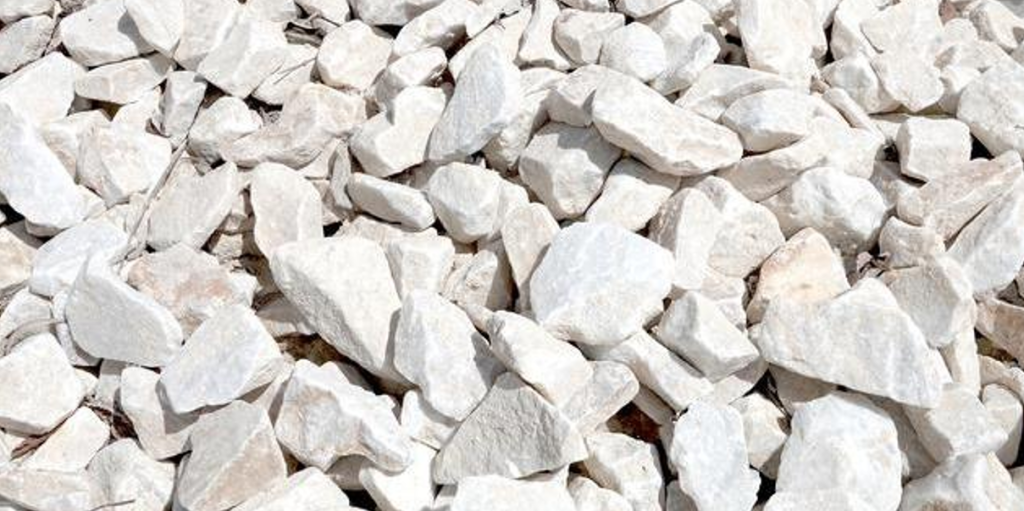
Доломит — это распространённый карбонатный минерал, относящийся к тригональной кристаллической системе. С геологической точки зрения природный доломит встречается в двух основных формах: в виде чистых отдельных кристаллов доломита и в виде плотной породы — доломита. Доломит — это осадочная карбонатная порода с содержанием доломита более 50%, сформировавшаяся в результате морской седиментации и диагенеза, продолжавшихся сотни миллионов лет, что привело к формированию однородного и структурно стабильного минерального состава.
В отличие от обычного известняка, в составе которого преобладает кальцит, природный доломит отличается упорядоченной слоистой структурой ионов кальция и магния. Эта уникальная структура придает сырому доломиту более высокую твёрдость, превосходную термостойкость и повышенную химическую стойкость. Доломит широко распространен в земной коре и составляет примерно 2% от общего объема минералов земной коры. Благодаря простоте добычи и переработки, а также низким производственным затратам, продукты из очищенного доломита пользуются большой популярностью в мировых промышленных и коммерческих секторах.
2. Химический состав доломита
Официальная химическая формула доломита: $$CaMg(CO₃)₂$$, при стандартном молярном соотношении кальция к магнию, равном 1:1. Это фиксированное соотношение элементов является ключевым химическим признаком, позволяющим отличить чистый доломит от схожих карбонатных минералов, таких как известняк и кальцит.
Высококачественный доломит промышленного назначения отличается стабильным химическим составом, стандартные диапазоны содержания элементов в котором следующие:
- Оксид кальция (CaO): 30%–33%
- Оксид магния (MgO): 18%–22% (определяющий компонент, отличающий доломит от известняка)
- Диоксид углерода (CO₂): 45%–48%
Доломит, добываемый в природных условиях, зачастую содержит незначительные примеси, в том числе железа, марганца, цинка и кобальта. Доломит высокой чистоты с низким содержанием примесей подвергается дополнительной очистке для использования в высокотехнологичном промышленном производстве, тогда как доломит стандартного качества в основном применяется в строительстве, сельском хозяйстве и базовых проектах по охране окружающей среды. Уникальный двойной кальций-магниевый состав природного доломита обеспечивает более богатые функциональные свойства и более широкие возможности применения по сравнению с известняком, содержащим только кальций.
3. Основные характеристики доломита (физические и химические свойства)
Характерные физические и химические свойства доломита являются основой его широкого промышленного применения. Все сорта переработанного доломита сохраняют стабильные минералогические свойства после добычи и обогащения, что позволяет использовать его в различных сферах гражданского и промышленного применения. Основные характеристики доломита приведены ниже:
3.1 Физические свойства
- Цвет и блеск: Чистый доломит имеет бесцветный или белоснежный вид, тогда как примесью загрязнённый доломит отличается светло-серыми, бледно-розовыми, бежевыми или едва заметными голубыми оттенками с блеском от полустеклянного до матового.
- Твёрдость и плотность: Твердость доломита по шкале Мооса составляет 3,5–4, что превышает твердость обычного известняка. При плотности 2,85 г/см³ он обладает превосходной устойчивостью к сжатию и износу.
- Кристаллическая структура: Доломит, относящийся к гексагональной кристаллической системе, обычно образует кристаллы в форме седла или пластинчатые кристаллы, обладающие стабильной структурной прочностью и высокой трещиностойкостью.
3.2 Химические свойства
- Устойчивость к кислотам: Доломит медленно вступает в реакцию с холодной разбавленной кислотой, что значительно отличает его от кальцита, который вступает в бурные реакции с кислотами. При контакте с горячей концентрированной кислотой он быстро растворяется.
- Термическая стабильность: Доломит обладает исключительной термостойкостью, а температура его разложения составляет от 700 °C до 900 °C. Он сохраняет стабильную структуру в условиях высоких температур, характерных для промышленных процессов.
- Слабая щелочность: При измельчении до состояния мелкого порошка доломит проявляет слабую и мягкую щелочность, позволяющую нейтрализовать кислотные вещества, не вызывая при этом коррозионного повреждения.
3.3 Производительность обработки
Природный доломит обладает превосходной обрабатываемостью и может подвергаться дроблению, измельчению и формовке в соответствии с промышленными требованиями. Сырой доломит может перерабатываться в стандартные доломитовые блоки, гранулированные доломитовые заполнители, мелкий доломитовый порошок и ультрамелкий доломитовый порошок, что позволяет выпускать полный ассортимент продукции, соответствующую разнообразным промышленным стандартам.
4. Основные области применения доломита | Промышленное и практическое использование
Благодаря стабильному минеральному составу, включающему кальций и магний, высокой структурной твёрдости, превосходной термостойкости и слабой щелочности, продукты переработки доломита широко используются в производстве строительных материалов, металлургии, улучшении сельскохозяйственных угодий, решении экологических проблем, химической переработке и производстве передовых новых материалов. Ниже перечислены наиболее распространённые области практического применения высококачественных доломитовых материалов:
4.1 Строительная отрасль и производство строительных материалов
Доломит служит основным сырьем для производства современных экологичных строительных материалов. Переработанные доломитовые заполнители широко используются в качестве высокоэффективных наполнителей для бетона и материалов для дорожного покрытия, эффективно повышая прочность на сжатие, износостойкость и общую долговечность бетонных конструкций. Полированные доломитовые блоки и натуральный доломитовый мрамор представляют собой декоративный камень премиум-класса, предназначенный для высококачественного ремонта интерьеров, облицовки наружных стен и благоустройства городской среды. Кроме того, очищенный доломитовый порошок служит распространённой добавкой к цементу, строительным растворам и сырью для производства стекла, повышая прочность, износостойкость и теплоизоляционные свойства готовых строительных изделий.
4.2 Металлургия и высокотемпературные флюсовые материалы
Доломит высокой чистоты выступает в качестве эффективного и экологически безопасного металлургического флюса при выплавке стали, переработке цветных металлов и эксплуатации высокотемпературных печей. Доломит промышленного качества удаляет примеси из металлических руд, снижает вязкость шлака и повышает общую эффективность плавки. Кроме того, рафинированный доломит является важнейшим сырьём для производства оксида магния и металлического магния, а также выступает в качестве ключевого минерального материала в процессе выплавки магния по методу Пиджеона, обладая незаменимой ценностью в металлургической и огнеупорной промышленности.
4.3 Средство для улучшения качества сельскохозяйственных почв и кормовая добавка
Ультратонкоизмельченный порошок доломита представляет собой натуральное, нетоксичное и безопасное средство для улучшения сельскохозяйственных почв. Слабая щелочность чистого доломита эффективно нейтрализует чрезмерную кислотность почвы, уравновешивает уровень pH и смягчает последствия уплотнения и закисления почвы, вызванные длительным чрезмерным использованием химических удобрений. Богатый кальцием и магнием, доломит обеспечивает растения необходимыми микроэлементами для роста, способствуя синтезу хлорофилла и повышая урожайность и качество сельскохозяйственных культур. Кроме того, ультратонкий доломитовый порошок пищевого качества широко используется в качестве минеральной кормовой добавки для скота и птицы, способствуя их здоровому росту и снижая риск возникновения кишечных заболеваний.
4.4 Охрана окружающей среды, очистка сточных вод и десульфуризация дымовых газов
Будучи природным щелочным карбонатным минералом, переработанный доломитовый порошок широко применяется в очистке промышленных сточных вод и десульфуризации дымовых газов на промышленных предприятиях. Доломитовые материалы стабильно нейтрализуют кислые сточные воды и эффективно адсорбируют загрязнения в виде тяжелых металлов в водных объектах, способствуя снижению уровня промышленного загрязнения. При очистке дымовых газов активированный доломит поглощает диоксид серы и другие вредные кислотные выбросы, обеспечивая экономичную и высокоэффективную промышленную очистку. Он признан экономически выгодным и экологически безопасным минеральным материалом для охраны окружающей среды.
4.5 Отрасль химической, керамической промышленности и производства передовых новых материалов
Очищенный доломит является основным промышленным сырьем для производства карбоната магния, гидроксида магния, кальций-магниевых солей и других продуктов тонкой химии, обеспечивая производство в резиновой, бумажной, кожевенной, фармацевтической и лакокрасочной отраслях. В керамическом и стекольном производстве добавление доломита повышает блеск продукции, твёрдость поверхности и термическую стабильность, одновременно снижая производственные затраты. В настоящее время ультратонкий порошок доломита, прошедший глубокую переработку, всё чаще применяется в новых теплоизоляционных материалах и огнестойких композитных материалах, демонстрируя многообещающие рыночные перспективы.
4.6 Нефтяная геология и разведка полезных ископаемых
Компактный доломит является высококачественной коллекторской породой для нефти благодаря своей стабильной и пористой геологической структуре, а доломитовые пласты тесно связаны с скоплениями нефти и газа. Кроме того, природные доломитовые пласты зачастую служат вмещающими породами для месторождений свинца, цинка, меди и других металлов, предоставляя важнейшие геологические ориентиры для разведки полезных ископаемых и энергоресурсов. Таким образом, исследования и обнаружение доломитов имеют важное ориентирующее значение в геологической инженерии и освоении ресурсов.
5. Технологический процесс переработки доломита
Все коммерческие продукты из доломита, представленные на рынке, производятся в результате стандартизированной и систематической глубокой переработки природной доломитовой руды. Начиная с добычи сырой руды и заканчивая поставкой готовой продукции, весь производственный процесс осуществляется в соответствии со строгими промышленными стандартами и с регулируемой точностью обработки, что позволяет производить доломитовые блоки, заполнители, обычный порошок и ультратонкий порошок высокой чистоты в соответствии с индивидуальными требованиями заказчика. Стандартизированный процесс производства доломита включает шесть основных промышленных этапов:
5.1 Добыча сырой руды и первичная сортировка
Высококачественная сырая доломитовая руда со стабильной структурой и низким содержанием примесей добывается в карьерах. Добытая сырая руда имеет разный размер и содержит примеси в виде почвы, гравия и пустой породы. Рабочие и механическое оборудование осуществляют предварительное просеивание с целью удаления крупных отходов и поверхностных загрязнений, отбирая пригодный сырой доломитовый материал для последующей глубокой переработки.
5.2 Дробление, сортировка и просеивание
Отсортированная сырая доломитовая руда направляется на специализированные дробилки для первичного и вторичного дробления, в результате чего крупные куски руды превращаются в однородный гранулированный материал. Затем с помощью вибрационных грохотов производится точная сортировка в соответствии со стандартами по размеру частиц. Обогащенные доломитовые заполнители и гравий могут непосредственно использоваться в дорожном строительстве, в качестве заполнителя для бетона, а также в качестве металлургического флюса без дополнительной переработки.
5.3 Промывка и очистка от примесей
Частицы доломита, предназначенные для глубокой переработки, подвергаются профессиональной промывке водой, удалению шлама и тонкой очистке с целью устранения поверхностной пыли, грязи и микропримесей. Продукция из доломита высшего качества требует дополнительной прецизионной сортировки для удаления железа, марганца и других примесных минералов, что обеспечивает высокую чистоту и стабильное качество для применения в промышленности, пищевой промышленности и экологических целях.
5.5 Измельчение и получение порошков
Очищенные частицы доломита транспортируются на мельницы для тонкого измельчения. Вся производственная линия оснащена профессиональным пылеуловители для организации централизованного пылеудаления и очистки воздуха, что обеспечивает соответствие нормативным требованиям и безопасные условия эксплуатации цеха. Операторы регулируют степень измельчения в соответствии с требованиями к продукции: при стандартном измельчении получается обычный промышленный доломитовый порошок для строительства, производства основных химических веществ и улучшения почвы, тогда как при ультратонком измельчении производится доломитовый порошок с размером частиц 800–3000 меш для высокоточных областей применения, включая новые материалы, покрытия, фармацевтику и высококачественную керамику.
5.6 Высокотемпературное прокаливание и модификация (процесс высокого уровня)
Специализированная доломитовая продукция для металлургии, огнеупорных материалов и передовых технологий защиты окружающей среды требует высокотемпературной обжига. Очищенное доломитовое сырьё помещается в вращающиеся печи и проходит процесс прокаливания при температуре от 700 до 900 °C с целью активации. Данный процесс повышает термическую стабильность, химическую активность и коррозионную стойкость доломита, позволяя получить высококачественный прокаленный доломит, идеально подходящий для применения в качестве высокотемпературных промышленных флюсов и огнеупорных материалов.
5.7 Контроль качества готовой продукции, упаковка и хранение
Готовая продукция из переработанного доломита проходит окончательное точное просеивание и контроль качества с целью классификации продукции по размеру частиц, чистоте и сорту. Насыпные блоки доломита и гранулированные продукты упаковываются навалом или в мешки по одной тонне, тогда как доломитовый порошок упаковывается в герметичную влагонепроницаемую тару для предотвращения спекания и вторичного загрязнения, что позволяет стабилизировать качество продукции во время транспортировки и длительного хранения.
6. Заключение
Доломит представляет собой ценный многофункциональный природный карбонатный минерал, отличающийся стабильным химическим составом, включающим кальций и магний, превосходными комплексными физико-химическими свойствами, а также экономически эффективными технологиями добычи и переработки. Ассортимент продукции из доломита охватывает полный спектр технических характеристик и предназначен как для базовых отраслей, таких как строительство и металлургия, так и для высокотехнологичных сфер, включая точное сельское хозяйство, управление экологическими процессами и производство новых материалов. Стандартизированные технологии дробления, измельчения до порошкообразного состояния и прокаливания позволяют производить доломит в соответствии с индивидуальными требованиями и расширяют границы его промышленного применения. На фоне постоянного совершенствования мировых стандартов промышленного производства и охраны окружающей среды продукция из доломита высокой чистоты и сверхтонкого помола будет пользоваться все более широким спросом на рынке и открывать новые перспективы применения во всех отраслях промышленности.
Часто задаваемые вопросы о доломите
Вопрос 1: В чём заключается разница между доломитом и известняком?
Известняк в основном состоит из однокомпонентного карбоната кальция (кальцита), тогда как доломит представляет собой двухкомпонентный карбонатный минерал, содержащий как кальций, так и магний. По сравнению с известняком доломит отличается более высокой структурной твёрдостью, лучшей термостойкостью и более мягкой реакцией на холодные кислоты, что позволяет применять его в более сложных промышленных условиях с более широким спектром применения.
Вопрос 2: Является ли доломит экологически безопасным материалом?
Да. Природный доломит представляет собой нетоксичный, безвредный и экологически чистый минеральный ресурс. При использовании продуктов из переработанного доломита не выделяются вредные вещества. Доломит, широко применяемый для экологического улучшения почв и очистки промышленных сточных вод, признан типичным «зеленым» и экологически безопасным промышленным сырьем.
Вопрос 3: Каковы основные виды коммерческой продукции из доломита?
К распространенным коммерческим продуктам из доломита относятся: блоки необработанного доломита, гранулированный доломитовый гравий, стандартный промышленный доломитовый порошок, рафинированный доломитовый порошок высокой чистоты и ультратонкий доломитовый порошок. Каждая спецификация профессионально адаптирована для конкретных сценариев применения в промышленности и гражданском строительстве.
 English
  Russian
  French
  Portuguese
  Arabic
  Spanish
  Japanese