
بالنسبة للمستثمرين الصناعيين ومقاولي مصانع الأسمنت ومشتري معدات التعدين، تُعد خطوط إنتاج الأسمنت من بين البنى التحتية الصناعية الأكثر بحثًا في قطاع مواد البناء العالمي. بدءًا من الاختيار الأولي للنوع، ومطابقة الأنظمة، وشراء المعدات، وصولًا إلى التشغيل اليومي، واستكشاف الأعطال وإصلاحها، والتحديثات الرامية إلى توفير الطاقة، يغطي خط إنتاج الأسمنت الكامل دورة الحياة الكاملة لتصنيع الأسمنت. تتناول هذه المقالة بالتفصيل كل التفاصيل الأساسية لخطوط إنتاج الأسمنت الحديثة التي تعمل بالطريقة الجافة، وذلك وفقًا لإطار منطقي تدريجي.
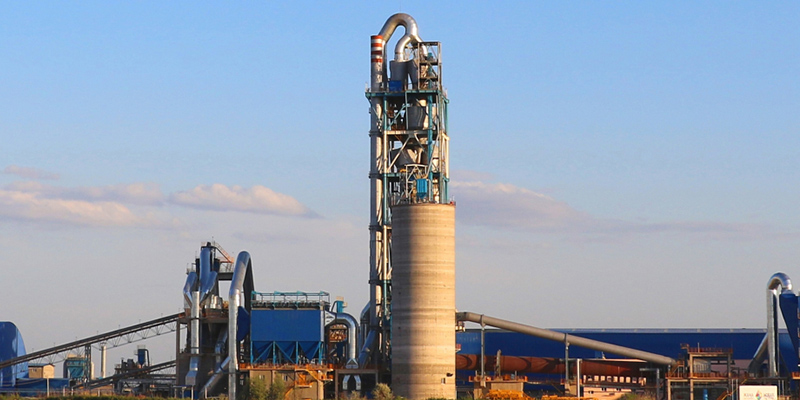
1. الاختلافات في تصنيف واختيار خطوط إنتاج الأسمنت
قبل الشروع في مشروع مصنع أسمنت، يتعين على المشغلين تحديد نوع خطوط إنتاج الأسمنت بناءً على نسبة رطوبة المواد الخام، والإنتاج اليومي، والسياسات البيئية المحلية، مما يضع الأساس لتكوين المعدات وتصميم العمليات في المراحل اللاحقة. وهناك ثلاثة معايير تصنيف رئيسية تُعتمد على نطاق واسع في جميع أنحاء العالم:
1.1 التصنيف حسب عملية التكليس
- خطوط إنتاج الأسمنت بالطريقة الجافة: الحل السائد لمحطات الأسمنت حديثة البناء. وهي مزودة بأجهزة تسخين مسبق من نوع «السيكلون» ذات 5 مراحل ومحرق مدمج في الخط، مما يتيح تحلل المواد الخام بمعدل يزيد عن 60% خارج الفرن الدوار. وبفضل إنتاجية قصوى تبلغ 10,000 طن يوميًا للخط الواحد، تتميز هذه الخطوط بكفاءة حرارية عالية وانبعاثات غبار منخفضة. وقد أصبحت هذه العملية هي الوحيدة الموصى بها لمشاريع إنتاج الأسمنت الكبيرة والمتوسطة الحجم على مستوى العالم.
- خطوط إنتاج الأسمنت بالطريقة الرطبة: عملية تقليدية عفا عليها الزمن تعتمد على طحن المواد الخام لتحويلها إلى ملاط ممزوج بالماء. يتم استهلاك طاقة إضافية لتبخير الرطوبة أثناء عملية التكليس، مما يؤدي إلى استهلاك فحم أعلى بنسبة 40% مقارنة بخطوط الإنتاج التي تعتمد على العملية الجافة. وقد تم التخلص تدريجيًا من هذه التقنية في معظم المناطق، ولا تُطبق إلا في مناجم فردية في الخارج حيث تكون نسبة الرطوبة في المواد الخام مرتفعة للغاية.
- خطوط إنتاج الأسمنت شبه الجاف: عملية انتقالية مصممة خصيصًا للمواد الخام التي تتراوح نسبة الرطوبة في الطين فيها بين 15% و20%. وهي تدعم الإنتاج اليومي الصغير، وتُستخدم في الغالب في مشاريع إنتاج الأسمنت النائية الجبلية المخصصة للاستهلاك الذاتي.
1.2 التصنيف حسب الطاقة الإنتاجية
- خطوط إنتاج الأسمنت الصغيرة الحجم: إنتاج يومي يتراوح بين 500 و1500 طن، مع مساحة أرض صغيرة وفترة استرداد استثمارية قصيرة، ومناسبة للبنية التحتية على مستوى المقاطعات وللتزويد الذاتي في مناطق التعدين النائية
- خطوط إنتاج الأسمنت متوسطة الحجم: تبلغ طاقتها الإنتاجية اليومية ما بين 2500 و5000 طن، وهي النوع الأكثر انتشارًا في السوق. وتتميز هذه الخطوط بتحقيق التوازن بين تكلفة الإنشاء واستهلاك الطاقة، إلى جانب تنوعها الكبير في الاستخدامات
- خطوط إنتاج الأسمنت واسعة النطاق: إنتاج يومي يزيد عن 5000 طن، مزودة بأنظمة كاملة لتوليد الطاقة من الحرارة المهدرة، ومصممة لتلبية متطلبات التخطيط الإنتاجي المركزي لمجموعات مواد البناء الكبرى
1.3 التصنيف حسب شكل المنتج النهائي
وتشمل الأنواع الثلاثة الشائعة خطوط إنتاج الأسمنت المتكاملة التي تعتمد على الكلنكر، ومحطات طحن الأسمنت، وخطوط إنتاج الأسمنت الخاصة. وتغطي خطوط الكلنكر المتكاملة العملية بأكملها بدءًا من تكسير الحجر الجيري وحتى تسليم الأسمنت المعبأ. أما محطات طحن الأسمنت، فهي تعالج الكلنكر الذي يتم شراؤه فقط دون الحاجة إلى عملية التكليس بدرجات حرارة عالية أو استخدام أفران دوارة، مما يتطلب استثمارًا أوليًّا أقل. أما خطوط إنتاج الأسمنت الخاصة، فتنتج الأسمنت سريع التصلب، والأسمنت المقاوم للكبريتات، وأسمنت السدود منخفض الحرارة، وذلك عن طريق تعديل نسب المواد الخام ودرجة حرارة التكليس.
2. تكوين أنظمة إنتاج الأسمنت
يتألف خط إنتاج الأسمنت الكامل الذي يعمل بالطريقة الجافة من 8 أنظمة إنتاج مترابطة ومتكاملة، تشكل معًا هيكلًا مغلقًا لنقل المواد. وتستخدم أكثر من 98% من مصانع الأسمنت التي تم تشييدها حديثًا في جميع أنحاء العالم هذا التكوين المعياري للنظام:
- نظام تكسير المواد الخام والتجانس المسبق: نظام التغذية الأولي لخطوط إنتاج الأسمنت، ويتألف من كسارات عالية التحمل، وآلات التكديس، وآلات الاسترجاع. ويتميز الحجر الجيري، باعتباره المادة الخام السائدة، بمحتوى غير مستقر من الكالسيوم. ويمكن أن يقلل التجانس المسبق من انحراف تركيبة المواد الخام بأكثر من 70% ويمنع إنتاج كلنكر غير مطابق للمواصفات في عملية التكليس اللاحقة.
- نظام طحن وتجانس خليط المواد الخام: الوحدة الأكثر استهلاكًا للطاقة في أنظمة إنتاج الأسمنت. ويستخدم هذا النظام مطاحن أسطوانية عمودية وصوامع تجانس خليط المواد الخام لخلط الحجر الجيري والحجر الرملي ومسحوق الحديد للحصول على خليط مواد خام مطابق للمواصفات، بحجم جسيمات أقل من 80 ميكرون.
- نظام التسخين المسبق والتحلل المسبق: نظام أساسي لاستعادة الحرارة المهدرة، وهو نظام حصري لخطوط إنتاج الأسمنت الحديثة. يعمل هذا النظام على إعادة تدوير 62% من الحرارة المهدرة المستمدة من غازات عادم الفرن الدوار لاستخدامها في التسخين المسبق للخليط الخام، مما يقلل من استهلاك الفحم بمقدار 28% مقارنةً بمعدات تصنيع الأسمنت القديمة.
- نظام تحميص وتبريد الكلنكر: يمثل القلب الحراري لخطوط إنتاج الأسمنت، ويتألف من أفران دوارة ومبردات شبكية. ويكمل هذا النظام تفاعل الطور المعدني للسيليكات في درجات حرارة عالية تتراوح بين 1350 درجة مئوية و1450 درجة مئوية.
- نظام تحضير الفحم المسحوق: معدات دعم حرارية مساعدة لخطوط إنتاج الأسمنت. تعمل مطاحن الفحم التي تعمل بنظام التنظيف الهوائي على طحن الفحم الخام وتحويله إلى فحم مسحوق ناعم لضمان احتراق مستقر في الفرن الدوار، مع نظام مراقبة مدمج مقاوم للانفجار لضمان الامتثال لمعايير السلامة في مكان العمل.
- نظام طحن الأسمنت النهائي: وحدة معالجة ما بعد التحميص. يتم خلط كلنكر الأسمنت المبرد والجبس والمواد المضافة المعدنية — مثل الخبث ودخان السيليكا — وطحنها طحنًا دقيقًا لتلبية معايير دقة طحن الأسمنت.
- نظام تخزين وتعبئة الأسمنت الجاهز: الوحدة النهائية لخطوط إنتاج الأسمنت، والتي تدعم نقل الأسمنت السائب والتعبئة الآلية للأكياس التي تزن 25 كجم.
- نظام إزالة الغبار ومعالجة غازات المداخن: تكوين إلزامي لحماية البيئة في خطوط إنتاج الأسمنت الموجهة للتصدير. تساعد أجهزة تجميع الغبار بالكيس وأجهزة إزالة النيتروجين على تلبية المعايير الدولية لانبعاثات غازات المداخن في المناقصات الخاصة بمشاريع الأسمنت العابرة للحدود.
3. قائمة المعدات النموذجية لخطوط إنتاج الأسمنت القياسية
تناسبًا مع أنظمة الإنتاج الثمانية، تنقسم المعدات الداعمة لخطوط إنتاج الأسمنت إلى معدات أساسية رئيسية ومعدات بيئية مساعدة، مما يسهل عملية الشراء الموجهة لمقاولي إنشاء المصانع:
3.1 المعدات الأساسية للعمليات الرئيسية
- معدات التكسير: الكسارة الفكية، الكسارة الصدمية، الكسارة المتنقلة للحجر الجيري
- معدات الطحن: مطحنة أسطوانية عمودية للخام، مطحنة كروية للأسمنت، وحدة طحن مدمجة مع مكبس أسطواني عالي الضغط
- معدات التكليس الحراري: فرن دوار بسعة 300-5000 طن في اليوم، جهاز تسخين مسبق من نوع السيكلون ذو 5 مراحل، جهاز التكليس
- معدات التبريد: مبرد شبكي من الجيل الثالث، وهو الجهاز البديل المفضل لتجديد خطوط إنتاج الأسمنت
- معدات التعبئة والتغليف: آلة تعبئة الأسمنت الأوتوماتيكية ذات 8 فوهات، وناقل الأسمنت السائب
3.2 المعدات المساعدة ومعدات حماية البيئة
- معدات النقل: المصعد الدلو، الناقل الحزامي، الناقل اللولبي
- معدات معالجة الغبار: جهاز تجميع الغبار من نوع «باغهاوس» المقاوم للحرارة العالية، وبرج إزالة الكبريت من غازات المداخن
- معدات التحكم الذكية: نظام التحكم الموزع (DCS) لخطوط إنتاج الأسمنت الآلية
تشير البيانات الإحصائية إلى أن خط إنتاج الأسمنت متوسط الحجم الذي تبلغ طاقته الإنتاجية 2500 طن في اليوم يتطلب 42 مجموعة مستقلة من المعدات، يتم تزامنها وتنظيمها جميعًا بواسطة نظام التحكم الذكي DCS.
4. مبادئ العمل والخطوات القياسية لإنتاج الأسمنت
تتبع جميع خطوط إنتاج الأسمنت بالطريقة الجافة مسار عمل مغلق الدائرة: المعالجة الباردة للمواد الخام → التفاعل الحراري عالي الحرارة → الطحن الدقيق للأسمنت النهائي. وينقسم مسار العمل المتكامل إلى ست خطوات قياسية متتالية:
- استخراج المواد الخام وسحقها: استخراج الحجر الجيري والطين والمواد الخام التصحيحية، وسحق الخامات السائبة إلى جزيئات يقل حجمها عن 50 ملم. وتمثل هذه الخطوة 15% من إجمالي استهلاك الطاقة في خطوط إنتاج الأسمنت.
- تحديد نسب المواد الخام والتجانس المسبق: يقوم نظام DCS تلقائيًا بتوزيع المواد الخام وفقًا لدرجات متانة الأسمنت. وتساهم عمليات التخزين والاسترجاع في الحفاظ على استقرار التركيب الكيميائي للمواد الخام لتجنب تقلبات جودة الكلنكر.
- طحن الدقيق الخام وتجانس محتويات الصوامع: تقوم المطاحن الأسطوانية العمودية بإنجاز عمليتي الطحن والتجفيف في آن واحد. ويتم تخزين الدقيق الخام المؤهل في صوامع التجانس لمدة تتراوح بين 8 و12 ساعة لتعويض الاختلافات الطفيفة في المكونات.
- التسخين المسبق والتحلل المسبق: تقوم وجبة الخام بامتصاص الحرارة المهدرة من غازات العادم في نهاية الفرن، حيث يتم تحلل كربونات الكالسيوم من النوع 60%-65% قبل دخولها إلى الفرن الدوار، مما يقلل من مدة التحميص عند درجات الحرارة العالية.
- تحميص الكلنكر والتبريد السريع: تنزلق الخامة الخام ببطء على طول الفرن الدوار المائل، وتشكل معادن سيليكاتية عند درجة حرارة تتراوح بين 1350 و1400 درجة مئوية. ويتم تبريد الكلنكر عالي الحرارة إلى ما دون 100 درجة مئوية في غضون 20 دقيقة لتثبيت البنية المعدنية الداخلية وضمان متانة الأسمنت.
- طحن الأسمنت وتخزينه وتوزيعه: يتم خلط الكلنكر والجبس والمواد المضافة المعدنية، ثم طحن الخليط حتى يصل درجة نعومة بلين إلى 3300-3800 سم²/غ. ويُخزن الأسمنت النهائي في صوامع الخرسانة ويُشحن سائباً أو في أكياس معبأة.
تكمن الميزة التنافسية الأساسية لخطوط إنتاج الأسمنت الحديثة في الاستفادة الدورية من الحرارة المهدرة. حيث يتم إعادة استخدام غازات العادم والهواء الساخن الناتج عن التبريد في تجفيف خليط المواد الخام وتسخين الفحم مسبقًا، مما يقلل من إجمالي انبعاثات الكربون بمقدار 32%.
5. الأعطال الشائعة في المعدات وصيانتها في خطوط إنتاج الأسمنت
تعمل خطوط إنتاج الأسمنت على مدار الساعة طوال أيام الأسبوع دون انقطاع، لذا غالبًا ما يتسبب التآكل على المدى الطويل وتقلبات ظروف التشغيل في حدوث توقفات غير متوقعة. وفيما يلي ملخص لأكثر الأعطال شيوعًا في الأجهزة الثلاثة الأساسية وحلول الصيانة المستهدفة:
- الفرن الدوار: تشمل الأعطال الشائعة انحراف الأسطوانات الداعمة، وتقشر البطانة المقاومة للحرارة، وتشوه الغلاف الأحمر. يتعين على المشغلين معايرة الإزاحة المحورية للأسطوانات الداعمة كل 3 أشهر، واستخدام الطوب المقاوم للحرارة عالي المحتوى من الألومينا في الأجزاء المعرضة لدرجات حرارة عالية. ويجب خفض الإنتاج والتبريد فور ظهور الغلاف الأحمر لمنع حدوث تلف دائم للفرن.
- مطحنة الخام العمودية: تتمثل الأعطال الرئيسية في تآكل البطانات، وانسداد المواد، والاهتزاز المفرط، وتُعزى أسبابها بشكل أساسي إلى حجم جزيئات التغذية الزائد عن الحد ورطوبة المواد الخام المفرطة. وتشمل الصيانة اليومية التحكم في حجم جزيئات التكسير، وإصلاح البطانات المتآكلة كل ستة أشهر، وتركيب أجهزة الإغلاق التلقائي المزودة بنظام قفل الاهتزاز.
- مجمّع الغبار الكيسي: يُعد التصاق أكياس الترشيح والتلف الناتج عن الحرارة العالية من الأعطال الشائعة. فارتفاع درجة حرارة غازات العادم عن 260 درجة مئوية يؤدي إلى تلف أكياس الترشيح، لذا فإن استخدام أجهزة تزويد الهواء البارد أمر ضروري. كما أن التنظيف النبضي المنتظم خلال مواسم الأمطار يمنع انسداد أكياس الترشيح الناجم عن تكاثف غازات المداخن.
6. توفير الطاقة الحرارية المهدرة وتحسين الأداء البيئي لخطوط إنتاج الأسمنت
تدفع اللوائح العالمية الأكثر صرامة المتعلقة بانبعاثات الكربون إلى توفير الطاقة والتحول البيئي في خطوط إنتاج الأسمنت الحالية. وهناك ثلاثة إجراءات رئيسية للتحديث يتم الترويج لها على نطاق واسع في جميع أنحاء العالم:
- توليد الطاقة من الحرارة المهدرة عند درجات الحرارة المنخفضة: إعادة تدوير الحرارة المهدرة من الهواء الساخن الصادر عن مبرد الشبكة ومن غازات العادم النهائية للفرن عبر غلايات الحرارة المهدرة والتوربينات البخارية. ويمكن لهذا النظام تلبية 30%-40% من احتياجات الموقع من الكهرباء، فضلاً عن خفض تكاليف التشغيل على المدى الطويل.
- التحول نحو انبعاثات منخفضة للغاية: تجهيز وحدات إزالة النيتروجين بتقنية SNCR ووحدات إزالة الكبريت الرطبة استنادًا إلى أنظمة إزالة الغبار الأصلية، مما يحد من تركيز انبعاثات الغبار إلى أقل من 10 ملغ/م³ لتلبية معايير التفتيش البيئية العالمية.
- المعالجة المشتركة للنفايات الصلبة: الاستفادة من درجات الحرارة الفائقة في الأفران الدوارة لمعالجة الخبث الصناعي وخبث الصلب ونفايات البناء بطريقة آمنة. ويمكن للنفايات الصلبة المعاد تدويرها أن تحل محل جزء من المواد الخام من الحجر الجيري لتحقيق الإنتاج الدائري.
الخاتمة
تغطي خطوط إنتاج الأسمنت الكاملة سلسلة صناعية متكاملة تشمل اختيار النوع، ومطابقة الأنظمة، وتكوين المعدات، والتشغيل اليومي، والتحديثات اللاحقة للتشغيل. ويمكن للمطابقة المعقولة بين ثمانية أنظمة إنتاج متكاملة، إلى جانب الصيانة الروتينية المعيارية، أن تقلل بشكل فعال من استهلاك الطاقة ومخاطر التوقف عن العمل. ويجيب هذا الدليل على الأسئلة الأساسية المتعلقة بسير عمل إنتاج الأسمنت، وتكوين المعدات، وصيانة المصانع، مما يوفر مراجع عملية للمستثمرين العالميين في مصانع الأسمنت والمشغلين في المواقع.
 English
  Russian
  French
  Portuguese
  Arabic
  Spanish
  Japanese