
في الإنتاج الصناعي، لا يعرض تلوث الغبار صحة العمال للخطر فحسب، بل يؤثر أيضًا على كفاءة الإنتاج والامتثال للمعايير البيئية. وباعتبارها واحدة من أكثر معدات إزالة الغبار كفاءة واستخدامًا على نطاق واسع, مجمعات الغبار النفاثة النبضية أصبحت الخيار الأول للشركات في مختلف الصناعات لحل مشاكل الغبار. سواء كنت تعمل في صناعة الأسمنت أو الفولاذ أو المعادن أو معالجة الأغذية أو النجارة، فإن فهم ماهية مجمّع الغبار النفاث النبضي وكيفية عمله ومزاياه الفريدة سيساعدك على اختيار الحل الأنسب لإزالة الغبار لموقع الإنتاج الخاص بك. في هذه المدونة، سنقوم بالإجابة بشكل شامل على جميع الأسئلة المتعلقة بمجمعات الغبار النفاثة النبضية، بما في ذلك مبدأ عملها، والمكونات الأساسية، والاختلافات عن معدات إزالة الغبار الأخرى، وكيفية اختيار الشركات المصنعة الموثوقة لمجمعات الغبار النفاثة النبضية.
ما هو مجمع الغبار النفاث النبضي النفاث؟
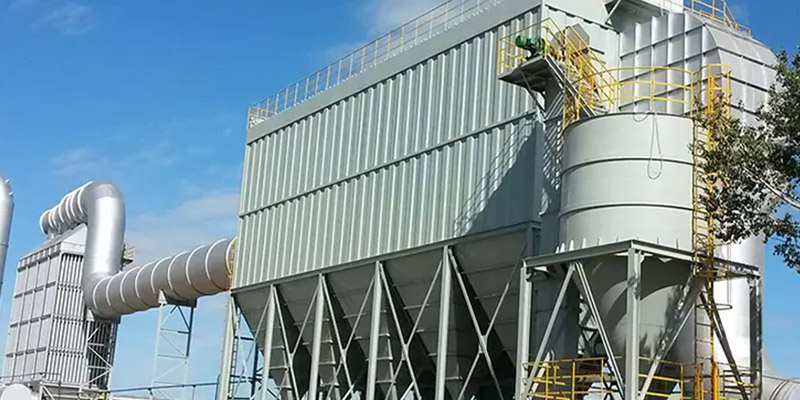
جامع الغبار النفاث النبضي النفاث (يشار إليه أيضًا باسم جامع الغبار النفاث النفاث النفاث) هو جهاز إزالة غبار صناعي عالي الكفاءة يستخدم تقنية النفاثات النفاثة النبضية لتنظيف وسائط المرشح والتقاط جزيئات الغبار من غاز العادم الصناعي. على عكس مجمعات الغبار التقليدية، فإنه يعتمد طريقة التنظيف النفاث النبضي المتقطع، والتي يمكنها إزالة الغبار الملتصق بأكياس المرشح بسرعة وبشكل كامل، مما يضمن التشغيل المستقر على المدى الطويل وكفاءة عالية في إزالة الغبار (تصل إلى 99.9% أو أعلى)، مما يجعله مناسبًا للتعامل مع الغبار عالي التركيز والحبيبات الدقيقة في مختلف البيئات الصناعية القاسية.
كمحترف الشركات المصنعة لمجمع الغبار النفاث النبضي, ، غالبًا ما نتلقى استفسارات من العملاء حول الفرق بين معدات إزالة الغبار المختلفة. كثير من الناس يخلطون بين مجمعات الغبار النفاثة النبضية مع أنواع أخرى من مجمعات الغبار، لذلك دعونا أولاً نوضح أولاً الموضع الأساسي لـ مجمعات الغبار النفاثة النبضية:: إنها نوع من مجمعات الغبار الكيسية عالية الكفاءة، والتي تجمع بين مزايا الهيكل المدمج، وكفاءة التنظيف العالية، والتشغيل المستمر، وتستخدم على نطاق واسع في التحكم في الغبار الصناعي الحديث.
مبدأ عمل مجمّع الغبار النفاث النبضي النفاث: كيف يحقق إزالة الغبار بكفاءة؟
لفهم مبدأ عمل مجمع الغبار النفاث النبضي، يمكننا تقسيم عملية إزالة الغبار بالكامل إلى أربع مراحل رئيسية. هذه العملية مؤتمتة بالكامل، ولا تتطلب أي تدخل يدوي، مما يقلل بشكل كبير من تكلفة العمالة في الشركات ويضمن تأثير إزالة الغبار المستقر.
- مرحلة تجميع الغبار: يتم سحب غاز العادم الصناعي الذي يحتوي على الغبار إلى مجمِّع الغبار النفاث النبضي من خلال مروحة. يمر الغاز أولاً من خلال مدخل الهواء ويتم توجيهه بواسطة العاكس، بحيث يسقط الغبار ذو الحبيبات الكبيرة في قادوس الرماد تحت تأثير القصور الذاتي، مما يحقق إزالة الغبار الأولي. يدخل الغبار الناعم المتبقي إلى حجرة المرشح مع تدفق الهواء.
- مرحلة الترشيح: حجرة المرشح مزودة بعدد كبير من أكياس المرشح (مكون المرشح الأساسي). وعندما يمر الهواء المترب عبر سطح أكياس المرشح، يتم احتجاز جزيئات الغبار على السطح الخارجي لأكياس المرشح، بينما يمر الهواء النظيف عبر مادة المرشح ويدخل إلى حجرة الهواء النظيف، وأخيراً يتم تفريغه في الغلاف الجوي من خلال مخرج الهواء، لتكتمل عملية الترشيح.
- مرحلة التنظيف بالنبض: مع تراكم الغبار على سطح أكياس الفلتر، تتراكم مقاومة مجمِّع الغبار النفاث النبضي يزيد، مما سيؤثر على حجم الهواء وكفاءة إزالة الغبار. في هذا الوقت، يرسل نظام التحكم إشارة لتشغيل صمام مجمع الغبار النفاث النبضي (أحد المكونات الرئيسية لنظام التنظيف). إن الـ صمام مجمع الغبار النفاث النبضي ينفتح على الفور، ويتم رش الهواء المضغوط عالي الضغط المخزن في كيس الهواء في أكياس الفلتر من خلال أنبوب الحقن على شكل نبضات قصيرة (عادةً ما تكون 0.1-0.3 ثانية فقط). يؤدي هذا التدفق القوي للهواء إلى تمدد أكياس المرشح واهتزازها بشكل حاد، بحيث تسقط طبقة الغبار الملتصقة بالسطح بسرعة.
- مرحلة تفريغ الرماد: يتم تجميع الغبار الذي يتساقط في قادوس الرماد في الجزء السفلي من مجمِّع الغبار النفاث النبضي, ، ويتم تفريغها بانتظام من خلال جهاز تفريغ الرماد (مثل صمام تفريغ الرماد)، مما يؤدي إلى تجنب التلوث الثانوي للغبار وضمان التشغيل المستمر للمعدات.
وينبغي التأكيد على أن صمام مجمع الغبار النفاث النبضي هو جوهر نظام التنظيف. تؤثر سرعة استجابته وضغط إمداد الهواء بشكل مباشر على تأثير التنظيف. يمكن لصمامات مجمعات الغبار النفاثة النبضية عالية الجودة (مثل صمامات الحجاب الحاجز) أن تضمن سرعة الفتح والإغلاق، وإمداد هواء مستقر، وإطالة عمر خدمة أكياس الفلتر بشكل فعال مع ضمان كفاءة التنظيف.
ما الفرق بين الهواء العكسي والنفث النبضي النفاث؟
عند اختيار معدات إزالة الغبار، ستخلط العديد من الشركات بين مجمعات غبار الهواء العكسي ومجمعات الغبار النفاثة النبضية. فما هو الفرق بين الهواء العكسي والنفث النبضي النفاث؟ يكمن الاختلاف الجوهري في طريقة التنظيف، مما يؤدي أيضًا إلى اختلافات في أدائها، والسيناريوهات القابلة للتطبيق، وتكاليف التشغيل.
عناصر المقارنة | مجمع الغبار النفاث النبضي النفاث | مجمّع غبار الهواء العكسي |
|---|---|---|
طريقة التنظيف | يستخدم نفاثة هواء نبضية عالية الضغط (0.4-0.6 ميجا باسكال) لتنظيف أكياس الفلتر، سريعة وقوية | يستخدم تدفق هواء عكسي منخفض الضغط لنفخ أكياس الفلتر، بلطف وبطء |
كفاءة التنظيف | عالية، يمكن أن تزيل الغبار العنيد بسرعة، ولا يوجد غبار متبقي | قد يؤدي التنظيف الخفيف واللطيف إلى ترك غبار متبقي، مما يتطلب تنظيفًا متكررًا أكثر |
وضع التشغيل | التشغيل المستمر، لا يؤثر التنظيف المستمر على جمع الغبار | التشغيل المتقطع، الحاجة إلى إيقاف جزء من حجرة الفلتر للتنظيف |
الغبار القابل للتطبيق | مناسبة للغبار الناعم عالي التركيز (مثل غبار الأسمنت وغبار الخشب ودخان اللحام) | مناسب للغبار كبير الحبيبات ومنخفض التركيز (مثل غبار الفحم وغبار الخام) |
استهلاك الطاقة | أعلى (يحتاج إلى توفير هواء مضغوط عالي الضغط) | أقل (يحتاج فقط إلى تدفق هواء منخفض الضغط) |
عمر كيس الفلتر | معتدل، قد يؤثر تأثير تدفق الهواء النبضي على عمر الخدمة (يعتمد على جودة الصمام النبضي) | تنظيف أطول وأرفق يقلل من تلف أكياس الفلتر |
باختصار، إذا كانت مؤسستك تحتاج إلى التعامل مع الغبار عالي التركيز والغبار الناعم وتتطلب تشغيلًا مستقرًا مستمرًا، فإن مجمعات الغبار النفاثة النبضية أكثر ملاءمة؛ إذا كنت تتعامل مع غبار كبير الحبيبات ومنخفض التركيز وتسعى إلى استهلاك منخفض للطاقة، فقد تكون مجمعات غبار الهواء العكسي خيارًا أفضل. بصفتنا مصنِّعين ذوي خبرة في تصنيع مجمعات الغبار النفاثة النبضية، يمكننا توفير حلول مخصصة وفقًا لخصائص الغبار واحتياجات الإنتاج الخاصة بك.
ما هو الفرق بين الكيس الهوائي ومجمع الغبار؟
A مجمّع الغبار هو مصطلح عام لجميع المعدات المستخدمة لجمع وإزالة الغبار من الهواء أو الغاز. ووفقًا لمبدأ الترشيح، يمكن تقسيمها إلى أنواع عديدة، مثل مجمعات الغبار الكيسية ومجمعات الغبار بالخرطوشة، ومجمعات الغبار بالخرطوشة، ومجمعات الغبار الحلزونية، ومجمعات الغبار الرطب، إلخ. نطاقها واسع جدًا، ويغطي جميع أنواع معدات إزالة الغبار.
A الحقيبة (وتسمى أيضًا مجمِّع الغبار الكيسي) هو نوع من مجمعات الغبار التي تستخدم أكياس الترشيح كمكون أساسي للمرشح. إنه يلتقط الغبار من خلال مادة المرشح لأكياس المرشح، وعادة ما تكون كفاءة إزالة الغبار أعلى من مجمعات الغبار الحلزونية ومجمعات الغبار الرطبة، وهو مناسب للتعامل مع الغبار الناعم. ومجمعات الغبار النفاثة النفاثة النبضية هي نوع من مجمعات الغبار الكيسية - وهي أكثر مجمعات الغبار الكيسية تقدمًا واستخدامًا على نطاق واسع في السوق، والتي تختلف عن مجمعات أكياس الأكياس الهزازة التقليدية وأكياس الأكياس الهوائية العكسية في طريقة التنظيف.
مجمّع الغبار LMC: نوع خاص من مجمعات الغبار النفاثة النبضية النفاثة
عند الحديث عن مجمعات الغبار النفاثة النفاثة النبضية، يجب أن نذكر مجمِّع الغبار النفاث النبضي. مجمع الغبار lmc هو نوع من مجمعات الغبار النفاثة النفاثة ذات الضغط المنخفض، والتي تم تحسينها وتحسينها على أساس مجمعات الغبار النفاثة النفاثة النبضية التقليدية. يتميز بخصائص الاستهلاك المنخفض للطاقة، وكفاءة التنظيف العالية، وعمر الخدمة الطويل، ويستخدم على نطاق واسع في المواقع الصناعية واسعة النطاق مثل مصانع الأسمنت ومصانع الصلب ومحطات الطاقة.
يعتمد مجمّع الغبار النفاث النفاث النبضي منخفض الضغط (ضغط الهواء 0.2-0.3 ميجا باسكال)، وهو أقل من ضغط الهواء لمجمعات الغبار النفاثة النفاثة التقليدية، ولكن من خلال تحسين صمام مجمع الغبار النفاث النبضي ونظام الحقن، لا يزال بإمكانه تحقيق تأثير تنظيف فعال. وفي الوقت نفسه، فإن مجمّع الغبار lmc يعتمد تصميم التنظيف غير المتصل بالإنترنت المجزأ، والذي يمكنه تنظيف حجرة واحدة دون التأثير على تشغيل الحجرات الأخرى، مما يضمن إزالة الغبار بشكل مستمر ومستقر. بالإضافة إلى ذلك، تتمتع أكياس الفلتر وصمامات مجمع الغبار النفاث النبضي بعمر خدمة أطول، مما يقلل من تكلفة الصيانة للمؤسسات.
كيف تختار مصنعي مجمعات الغبار النفاثة النبضية الموثوقة؟
كمؤسسة، فإن اختيار الجودة العالية مجمعات الغبار النفاثة النبضية أمر بالغ الأهمية، واختيار موثوق به الشركات المصنعة لمجمع الغبار النفاث النبضي هو الأساس لضمان الجودة وخدمة ما بعد البيع للمعدات. وفيما يلي بعض النقاط الرئيسية للرجوع إليها:
- قوة احترافية: اختر الشركات المصنعة ذات قدرات البحث والتطوير والإنتاج المستقلة، والتي يمكنها توفير مجمعات الغبار النفاثة النبضية المخصصة وفقًا لخصائص صناعتك ومعايير الغبار. في الوقت نفسه، تحقق مما إذا كانت الشركة المصنعة لديها المؤهلات والشهادات ذات الصلة لضمان أن المعدات تلبي المعايير الوطنية لحماية البيئة.
- جودة المنتج: التركيز على جودة المكونات الأساسية، مثل صمامات مجمع الغبار النفاث النبضي النفاث، وأكياس المرشح، وأنظمة التحكم. يمكن للمكونات عالية الجودة ضمان التشغيل المستقر للمعدات وتقليل تكرار الأعطال. على سبيل المثال، يجب أن يتمتع صمام مجمع الغبار النفاث النبضي النفاث بسرعة استجابة سريعة وضيق هواء جيد، ويجب أن يكون كيس الفلتر مصنوعًا من مواد مقاومة للحرارة العالية والتآكل.
- خدمة ما بعد البيع: من المهم جدًا وجود نظام جيد لخدمة ما بعد البيع. اختر الشركات المصنعة التي يمكنها توفير التركيب في الموقع، وتصحيح الأخطاء، والصيانة، واستبدال الأجزاء البالية (مثل أكياس الترشيح وصمامات مجمعات الغبار النفاثة النبضية)، وذلك لحل مشاكلك في الوقت المناسب أثناء استخدام المعدات.
- الخبرة في القضايا: تحقق من حالات التعاون السابقة للشركة المصنعة، وخاصة الحالات في مجال عملك. تُظهر تجربة الحالات الغنية أن الشركة المصنعة لديها فهم عميق لخصائص الغبار في الصناعة ويمكنها تقديم حلول أكثر ملاءمة.
كمصنعين محترفين لمجمعات الغبار النفاثة النبضية، فقد ركزنا على البحث والتطوير والإنتاج والمبيعات لمجمعات الغبار النفاثة النبضية لسنوات عديدة، ولدينا خبرة غنية في مختلف الصناعات. يمكننا توفير مجمعات الغبار النفاثة النفاثة النبضية المخصصة، وصمامات مجمعات الغبار النفاثة النفاثة النبضية عالية الجودة، وخدمة ما بعد البيع المثالية لمساعدة الشركات على حل مشاكل تلوث الغبار بكفاءة.
الخاتمة
مجمعات الغبار النفاثة النبضية هي معدات إزالة غبار صناعية فعالة ومستقرة وموثوقة لإزالة الغبار الصناعي، والتي تلعب دورًا لا يمكن الاستغناء عنه في الإنتاج الصناعي الحديث. من خلال فهم مبدأ عمل مجمّع الغبار النفاث النبضي النفاث، والفرق بين الهواء العكسي والنفث النبضي، والفرق بين مجمعات الأكياس ومجمعات الغبار، يمكنك اختيار معدات إزالة الغبار التي تناسب مؤسستك بشكل أفضل.
إذا كانت لديك أي أسئلة حول مجمعات الغبار النفاثة النبضية، أو صمامات مجمعات الغبار النفاثة النبضية، أو مجمعات الغبار النفاثة النفاثة، أو مجمعات الغبار النفاثة النفاثة، أو إذا كنت بحاجة إلى تخصيص مجمعات الغبار النفاثة النبضية، يرجى اتصل بنا. كمصنعين محترفين لمجمعات الغبار النفاثة النبضية، نحن ملتزمون بتزويدك بأنسب حلول إزالة الغبار ومساعدة مؤسستك على تحقيق إنتاج أخضر وفعال.
 English
  Russian
  French
  Portuguese
  Arabic
  Spanish
  Japanese