
Что такое ленточный конвейер?
A ленточный конвейер представляет собой машину для непрерывной транспортировки материалов. В ней используется циркулирующая конвейерная лента для перемещения и протягивания материалов, а движение материалов обеспечивается за счет трения. Данная машина позволяет осуществлять горизонтальную, наклонную и криволинейную транспортировку материалов на промышленных объектах.
Для чего используются ленточные конвейеры?
Ленточные конвейеры широко используются для транспортировки сыпучих, порошкообразных и упакованных твердых материалов. К типичным сферам применения относятся: транспортировка горного сырья, обработка грузов в портах, доставка химических веществ, конвейерные линии пищевой промышленности, сортировка строительных отходов и транспортировка угля на тепловых электростанциях. По сравнению с другими конвейерными установками ленточные конвейеры отличаются бесшумной работой, способны перегружать большие объемы материала и обеспечивают многочасовую непрерывную работу.
Конвейерная лента является основной изнашиваемой деталью всей системы ленточного конвейера. Промышленная статистика показывает, что затраты на закупку, ремонт и замену конвейерной ленты составляют от 40% до 50% от общей суммы затрат на эксплуатацию и техническое обслуживание ленточных конвейеров на протяжении всего срока службы. Эта доля увеличивается на линиях транспортировки с большими расстояниями и значительным перепадом высоты.
Более 70% случаев внеплановых остановок ленточных конвейеров связаны с ненормальным износом, разрывами и преждевременным старением конвейерной ленты. Стандартные полиэфирные конвейерные ленты EP служат от 2 до 3 лет в идеальных условиях эксплуатации. Однако ненадлежащее техническое обслуживание на производстве сокращает фактический срок службы до 8–14 месяцев. Преждевременный выход конвейерной ленты из строя влечёт за собой три вида прямых убытков: расходы на повторную закупку лент, потери от простоев производства, а также затраты на ручную замену и ремонт.
Предприятиям не следует слепо приобретать высококачественные износостойкие конвейерные ленты в целях сокращения эксплуатационных расходов. Стандартное ежедневное техническое обслуживание позволяет предотвратить более 80% случаев непредвиденных повреждений ленты и продлить срок её службы почти на 30%. В данной статье обобщены все распространённые причины повреждений и предложены целенаправленные решения по техническому обслуживанию, основанные на практическом опыте работы на производстве.
Неправильный выбор конвейерной ленты
Причина повреждения: Большинство операторов при закупке сравнивают лишь цены на конвейерные ленты. При этом они не учитывают температуру материала, значение pH, содержание воды и твердость частиц. Несоответствующие требованиям ленты подвержены преждевременному старению покрытия, отслоению основы и коррозионному разрушению. Почти 90% случаев преждевременного списания лент происходит именно из-за неправильного выбора, а не из-за дефектов качества.
Решения в области технического обслуживания: Строго подбирайте конвейерные ленты с учетом реальных условий эксплуатации:
- Высокотемпературные материалы (агрегат, горячий кокс, цементный клинкер): Для материалов с температурой выше 80 °C следует выбирать высокотемпературные конвейерные ленты серии EP. Обычные резиновые ленты выдерживают температуру лишь до 60 °C, при этом на них быстро появляются пузыри на резине и происходит отслоение сердечника.
- Материалы с высоким содержанием влаги (хвосты, речной песок): Используйте влагостойкие и устойчивые к растяжению ремни. Обычные полиэстеровые сердечники впитывают воду и деформируются, что приводит к постоянному смещению ремня и потере натяжения.
- Коррозионно-активные материалы (обезсуренный гипс, кислый шлак): Используйте ремни из неопрена, устойчивые к воздействию кислот и щелочей. Натуральный каучук не обладает устойчивостью к химической коррозии и быстро изнашивается слой за слоем.
- Пищевые сырьевые материалы (зерно, переработанные ингредиенты): Выбирайте пищевые нетоксичные конвейерные ленты. Эти ленты не выделяют вредных веществ и не допускают прилипания жира, что облегчает их очистку.
- Острые твёрдые материалы (базальт, стальной шлак): Выбирайте ремни с защитой от разрывов, толщина резинового покрытия которых превышает 6 мм, чтобы повысить их устойчивость к проколам.
Отклонение ленточного конвейера
Причина повреждения: Перекос роликовых опор, неравномерная подача материала и деформация стоек приводят к отклонению конвейерной ленты. При незначительном отклонении края ленты постоянно трутся о стойки и кронштейны роликовых опор, что вызывает наслоение краев. При значительном отклонении лента зажимается в зазорах между стойками, что приводит к поперечному разрыву. Ремонт на месте в большинстве случаев занимает от 4 до 8 часов.
Решения в области технического обслуживания: Установите корректирующие приспособления в соответствии с длиной конвейера. При длине ленточного конвейера менее 50 метров операторы устанавливают наклонные ролики через каждые 15 метров. Для ленточных конвейеров большой протяженности и с крутым углом наклона следует устанавливать самовыравнивающиеся и конические ролики для автоматической коррекции.
Проскальзывание конвейерной ленты
Причина повреждения: Вода, пыль и иней на приводных роликах снижают поверхностное трение. Кроме того, конвейерные ленты в ходе длительной эксплуатации естественным образом растягиваются и теряют натяжение. Оба этих фактора приводят к проскальзыванию ленты. В результате относительного трения температура поверхности превышает 110 ℃, что приводит к плавлению внутренних волоконных сердечников и вызывает расслоение или разрыв ленты.
Решения в области технического обслуживания: На объектах с высокой влажностью и запыленностью следует регулярно проводить техническое обслуживание скребков роликов, а также обмотать ролики противоскользящей резиной. Ежеквартально проверяйте устройства натяжения и своевременно регулируйте натяжение ремня.
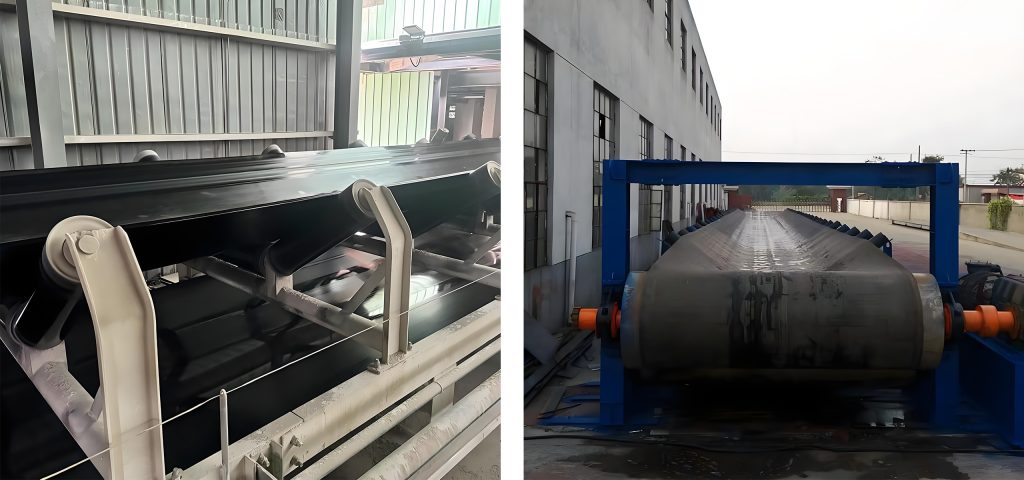
Перегрузка и нерегулярный цикл «запуск-остановка»
Причина повреждения: Перегрузка и колебания потока материала приводят к неравномерной нагрузке на ленту. Запуск или остановка ленточных конвейеров с загруженным материалом вызывает мгновенное напряжение, в 2,6–2,8 раза превышающее нормальное рабочее напряжение. Повторные удары приводят к ослаблению внутренних волоконных сердечников и вызывают необратимое удлинение ленты.
Решения в области технического обслуживания: Соблюдайте номинальную пропускную способность, указанную на паспортных табличках оборудования. Перед остановкой удаляйте все материалы с конвейерных лент и избегайте запуска и остановки под нагрузкой. На устаревших ленточных конвейерах установите устройства плавного пуска для смягчения ударной нагрузки при запуске.
Намотка материала на ролики
Причина повреждения: Мелкий влажный порошок проникает в зазоры обратных конвейерных лент и прилипает к приводным и изгибающим роликам. Остатки клея нарушают округлость роликов и вызывают постоянное отклонение ленты. Твердые остатки, кроме того, истирают внутреннюю резину ленты и приводят к расслоению основания после проникновения воды.
Решения в области технического обслуживания: Перед ежедневным запуском проверьте скребки валиков. Убедитесь, что полиуретановые скребки плотно прилегают к поверхности валиков, чтобы полностью удалить остатки материала.
Попадание острого постороннего предмета
Причина повреждения: Стальные прутья, анкерные стержни и обломки облицовки попадают в транспортируемые материалы на отвалах горных и строительных отходов. Эти острые предметы необратимо разрезают или прокалывают конвейерные ленты, становясь основной причиной внезапного вывода лент из эксплуатации. Ручной осмотр не позволяет охватить все «слепые зоны».
Решения в области технического обслуживания: Установите решетки и сепараторы с постоянными магнитами на выходах силосов. Используйте простые металлоискатели для заблаговременного выявления острых посторонних предметов.
Засор силоса
Причина повреждения: Склеивание влажного материала и его прилипание к стенкам силоса приводят к закупорке каналов для выгрузки. Наслоенный материал создает локальное давление на конвейерные ленты, что приводит к необратимой деформации сердечника и образованию складок на ленте. Серьёзная закупорка может даже привести к остановке всего ленточного конвейера.
Решения в области технического обслуживания: Установите ширину выпускного отверстия силоса не менее чем на две трети ширины ленты. Наклейте износостойкие вкладыши на стенки желоба, чтобы уменьшить прилипание материала. Дважды за смену проверяйте проходимость желоба, чтобы своевременно устранять засоры.
Чрезмерная высота сброса материала
Причина повреждения: Материалы, падающие с высоты более 1,2 метра, создают сильную ударную нагрузку. Эта нагрузка пробивает резиновое покрытие ленты и образует углубления на поверхности. В этих углублениях скапливается мелкая пыль, а при длительной нагрузке трещины расширяются.
Решения в области технического обслуживания: Установите амортизирующие желоба для высоты падения от 1,2 до 3 метров. Постройте автономные амортизирующие бункеры для высоты падения свыше 3 метров. Эти конструкции преобразуют вертикальное падение в скользящую подачу и снижают силу удара более чем на 70%.
Неправильное натяжение ремня
Причина повреждения: Недостаточное натяжение приводит к проскальзыванию и смещению ленты. Чрезмерное натяжение вызывает длительную перегрузку волоконных сердечников и ускоряет усталостное изнашивание. Обе эти ошибки в настройке натяжения заметно сокращают срок службы конвейерной ленты.
Решения в области технического обслуживания: В нормальных условиях при сухой погоде поддерживайте провисание ремня холостого хода в пределах от 10 до 15 мм. Регулярно корректируйте натяжение с учетом естественного растяжения ремня.
Неисправные вращающиеся натяжные ролики
Причина повреждения: Попадание воды и недостаточная смазка приводят к заклиниванию подшипников натяжных роликов. Заклинившиеся натяжные ролики превращают трение качения в трение скольжения и в 8 раз ускоряют локальный износ ленты. Ржавые, сломанные натяжные ролики с острыми краями непосредственно разрезают конвейерные ленты.
Решения в области технического обслуживания: Ежемесячно смазывайте подшипники натяжных роликов. В ходе ежеквартальных плановых осмотров заменяйте заклинившие, шумящие и поврежденные натяжные ролики.
Необоснованный зазор между резиновой прокладкой юбки и ремнем
Причина повреждения: Зазоры шириной более 3 мм приводят к утечке материала и вторичному истиранию из-за остатков порошка на обратных лентах. Зазоры шириной менее 1 мм сдавливают поверхности лент, увеличивают сопротивление движению и вызывают одностороннее смещение ленты.
Решения в области технического обслуживания: В соответствии с промышленными стандартами монтажа зазор между резиновым уплотнителем и конвейерной лентой должен строго составлять от 1 до 3 мм.
Недостаточный буферный запас в точках погрузки материалов
Причина повреждения: В местах загрузки износ конвейерной ленты превышает 60%. Стандартные стальные ролики не способны поглощать удары материала, поэтому вся сила удара напрямую повреждает резину ленты и внутренние сердечники.
Решения в области технического обслуживания: В местах загрузки замените стальные натяжные ролики на резиновые амортизирующие ролики. Для тяжелых сыпучих материалов подберите соответствующие амортизирующие подложки, чтобы распределить силу удара и вдвое увеличить срок службы ленты в этих местах.
ЧАСТО ЗАДАВАЕМЫЕ ВОПРОСЫ
Вопрос 1: Каков стандартный срок службы конвейерной ленты?
A1: Срок службы полиэфирных конвейерных лент серии EP составляет 2–3 года в сухих и беспыльных помещениях и 1,5–2 года во влажных условиях на открытом воздухе. Более 70% случаев преждевременного выхода из строя связаны с ненадлежащим ежедневным техническим обслуживанием, а не с недостатками качества продукции.
Вопрос 2: Как долго может проработать слегка треснувшая конвейерная лента после ремонта?
A2: Ремонт «в холодном» или «в горячем» состоянии обеспечивает срок службы 6–12 месяцев, если трещины наблюдаются только на поверхности резины и не затрагивают основу. Отремонтированные ремни с отслоением основы служат лишь 2–4 месяца, поэтому частичная замена ремня является более надежным решением.
Вопрос 3: Как сократить годовые затраты на замену конвейерной ленты?
A3: Проведите три недорогих модернизации: коррекцию отклонения ленты, буферизацию точки загрузки и очистку роликов. Стоимость модернизации значительно ниже стоимости замены ленты и позволяет сократить годовую частоту замены почти на 40%.
Заключение
Качество технического обслуживания определяет 65% срока службы конвейерной ленты, тогда как материал ленты влияет лишь на 35%. Многие предприятия вкладывают чрезмерные средства в приобретение высококачественных конвейерных лент, но при этом игнорируют регулярные осмотры и регулировку параметров. Стандартные процедуры технического обслуживания, включающие ежедневную очистку, ежемесячный осмотр компонентов и ежеквартальную калибровку натяжения, позволяют эффективно продлить срок службы ленты и снизить общие эксплуатационные расходы на ленточные конвейерные системы.
 English
  Russian
  French
  Portuguese
  Arabic
  Spanish
  Japanese