
For industries that handle large volumes of dry powder materials, the air slide conveyor has become one of the most reliable and cost-effective powder conveying solutions. Whether in cement plants, mining operations, chemical factories, or building material production facilities, understanding the functions, benefits, and working principle of air slide conveyors is essential for improving production efficiency, reducing maintenance costs, and ensuring stable operation. With its unique fluidization technology, the air slide conveyor delivers consistent performance for long-distance dry powder transportation, making it a top choice for modern industrial powder handling systems.
What Are the Advantages of an Air Slide Conveyor?
The air slide conveyor offers outstanding advantages that make it widely used in industrial powder handling systems. One of its biggest strengths is its low energy consumption compared with screw conveyors, bucket elevators, and other mechanical conveyors— a key factor for plant managers looking to cut operational costs. Many plant managers ask: Is an air slide conveyor worth investing in? The answer lies in its long service life, minimal wear parts, and stable performance, especially when transporting cement, fly ash, limestone powder, or other dry bulk powders.
Additional advantages of air slide conveyors include dust-free operation, fully sealed design, low noise, and easy installation. These benefits make the air slide conveyor a preferred solution for industrial powder conveying systems worldwide, particularly for businesses prioritizing environmental compliance and low long-term costs.
Key Features of the Air Slide Conveyor
The air slide conveyor is known for its simple structure, reliable performance, and no moving parts— a design that greatly reduces wear and maintenance requirements. It uses low-pressure air to fluidize dry powder materials, allowing them to flow smoothly under gravity along a slightly inclined chute. This fluidization technology is what sets air slide conveyors apart from traditional mechanical conveyors.
Due to these characteristics, many buyers compare different conveying systems and ask: What is the difference between an air slide conveyor and a screw conveyor? A screw conveyor uses rotating blades and is prone to wear, while an air slide conveyor has no rotating parts, making it more durable for long-term dry powder transportation. This durability also translates to lower maintenance costs over the equipment’s lifespan.
Is an Air Slide Conveyor Suitable for Your Production Line?
Determining whether an air slide conveyor fits your operation depends on material characteristics, conveying distance, layout space, and output requirements— key considerations for any industrial powder handling project. If you handle dry, fine, free-flowing powders and have space for an inclined installation, the air slide conveyor will almost always be the best powder conveying solution.
However, it is equally important to understand its limitations. Knowing the disadvantages of air slide conveyors will help you make a fully informed decision for your plant. Air slide conveyors are not suitable for wet, sticky, or coarse materials, nor can they convey horizontally or uphill— factors to weigh when selecting your powder handling equipment.
How Does an Air Slide Conveyor Work?
The working principle of the air slide conveyor is based on fluidization technology— the core mechanism that enables efficient dry powder transportation. A blower supplies low-pressure air into the lower chamber of the chute. The air passes through a porous air permeable layer and fluidizes the powder in the upper chamber. The inclined design allows the fluidized material to flow continuously toward the discharge end, ensuring consistent, high-volume conveying.
Understanding the air slide conveyor working principle helps you evaluate whether it matches your conveying needs, including capacity, distance, and material type— critical for optimizing your production line’s efficiency.
Main Components of an Air Slide Conveyor
A standard air slide conveyor consists of several key components that work together to ensure stable, reliable performance for dry powder handling:
- Upper chute and lower chute (core structure for material flow)
- Air permeable layer (fabric or porous plate, essential for fluidization)
- Air blower and air supply pipeline (provides low-pressure air for fluidization)
- Inlet and outlet ports (for material loading and discharge)
- Inspection doors and exhaust ports (for maintenance and pressure regulation)
- Seals and supporting frames (ensures sealed operation and stability)
Each component plays a critical role in the air slide conveyor’s stable operation. Regular inspection of the permeable layer, seals, and blower ensures high efficiency and long service life— helping you maximize the value of your air slide conveyor investment.
Air Slide Conveyor for Cement & Powder
As one of the core types of pneumatic conveyors, the air slide conveyor has become the preferred equipment in the industry for the transportation of cement and various powder materials, thanks to its strong adaptability and stable operation. Compared with ordinary pneumatic conveyors, the air slide conveyor specially designed for cement and powder has optimized the air permeable layer material and chute sealing design according to the characteristics of materials such as cement, fly ash, and limestone powder, making it more suitable for long-term stable operation under high humidity and high dust working conditions.
This type of special air slide conveyor can not only meet the continuous transportation of clinker, raw meal, and finished cement powder in cement production, but also adapt to the long-distance transportation of various dry powders in chemical, mining and other industries. It combines the advantages of dust-free environmental protection and low energy consumption, and effectively solves the pain points of traditional conveying equipment such as easy blockage, high wear, and dust leakage in powder material transportation. Its design without moving parts can further reduce the crushing loss of cement and powder materials and ensure that the material quality is not affected.
Applications of Air Slide Conveyors
Air slide conveyors are widely used in many industries for dry powder transportation, thanks to their low maintenance, dust-free operation, and high efficiency. Common industrial applications include:
- Cement industry (clinker, raw meal, cement powder— the most common use case for air slide conveyors)
- Mining and metallurgy (dry ore powders, mineral fines)
- Chemical industry (dry chemical powders, additives)
- Fly ash and powder handling (power plants, waste management)
- Building materials production (gypsum powder, limestone powder)
- Food processing (flour, starch, and other dry food powders— with food-grade components)
They are especially suitable for sealed, dust-free, low-maintenance conveying systems, making them a key part of modern environmental-friendly production lines and a top choice for industrial powder handling.
Air Slide Conveyor vs Screw Conveyor vs Bucket Elevator
Many customers ask: Which is better for my operation— air slide conveyor, screw conveyor, or bucket elevator? Below is a detailed comparison to help you choose the right powder conveying solution:
Feature | Air Slide Conveyor | Screw Conveyor | Bucket Elevator |
|---|---|---|---|
Moving Parts | No moving parts | Rotating blades | Buckets, chains, motors |
Wear & Maintenance | Minimal wear, low maintenance | High wear, frequent maintenance | Moderate to high wear, regular maintenance |
Energy Consumption | Low | Medium to high | High |
Suitable Distance | Long-distance (ideal for large plants) | Short to medium distance | Vertical (short to medium height) |
Material Type | Dry, fine, free-flowing powders | Dry/wet powders, small granules | Bulk materials, granules, powders |
The air slide conveyor excels in long-distance, high-volume, low-failure powder conveying— making it the best choice for cement, chemical, and mining industries handling dry bulk powders.
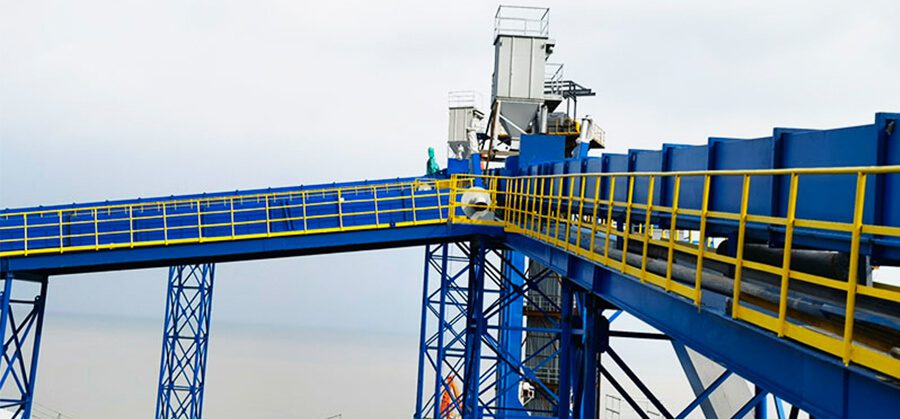
Maintenance and Operating Costs of Air Slide Conveyors
One of the biggest benefits of the air slide conveyor is its ultra-low maintenance cost. Unlike screw conveyors or bucket elevators, it has no bearings, chains, or blades that require frequent replacement. Only periodic checks of the permeable layer and seals are needed to ensure optimal performance.
Compared with screw conveyors and bucket elevators, the air slide conveyor greatly reduces downtime and long-term operating expenses— a major advantage for plant managers looking to cut costs and improve productivity. This low-cost operation is one of the key reasons air slide conveyors are widely used in industrial powder handling systems.
Disadvantages of Air Slide Conveyors
While air slide conveyors offer numerous benefits, it’s important to consider their limitations to make the right choice for your powder conveying needs:
- Requires inclined installation (needs space for slope)
- Only suitable for dry, free-flowing powders
- Not suitable for wet, sticky, or coarse materials
- Cannot convey horizontally or uphill (limited to inclined flow)
Is an Air Slide Conveyor Worth Buying?
For most industrial applications involving dry powder materials, especially in cement, chemical, and mining industries, the air slide conveyor is extremely cost-effective. It has low upfront costs and near-zero maintenance, making it a budget-friendly choice for long-term use. If your materials meet the requirements (dry, fine, free-flowing), the air slide conveyor will provide better stability and economy than screw conveyors or bucket elevators— delivering consistent value for your powder handling needs.
Conclusion
The air slide conveyor is a highly efficient, reliable, and economical solution for dry powder conveying. By understanding its working principle, advantages, limitations, applications, and components, industrial plant managers can make the best equipment choices for their conveying systems. For stable, low-cost, long-term operation, the air slide conveyor remains one of the most popular and practical solutions in the global powder handling industry.
If you need a reliable, low-maintenance air slide conveyor for your cement, mining, or chemical plant, contact us today for a customized powder conveying solution tailored to your specific needs.

 English
  Russian
  French
  Portuguese
  Arabic
  Spanish
  Japanese