
في عملية تصنيع الأسمنت وفي مختلف صناعات مناولة المساحيق مثل المواد الكيميائية والمعادن، تعتبر أنظمة مناولة المواد وأنظمة نقل المواد السائبة شريان الحياة للإنتاج المستمر. يعد اختيار الناقل الصناعي المناسب أمرًا بالغ الأهمية لتحقيق الكفاءة التشغيلية. بالنسبة لتطبيقات النقل الأفقي، عادةً ما يقوم مهندسو المصانع بتقييم ثلاث تقنيات أساسية: ناقل لولبي, فإن ناقل سلسلة FU (المعروف أيضًا باسم الناقل الشامل)، و الشريحة الهوائية أو ناقل الجاذبية الهوائي.
يوفر هذا الدليل الشامل مخطط مقارنة تفصيلي، وتحليل للتكلفة، ومعايير اختيار عملية لمناولة المواد السائبة. سوف نحلل إيجابياتها وسلبياتها، والتطبيقات المثالية في خط إنتاج الأسمنت، ونجيب عن الأسئلة الرئيسية حول استهلاك الطاقة، وتكلفة الصيانة، والتحكم في الغبار.
الجزء 1: مقارنة متعمقة بين ثلاثة أنواع رئيسية للناقل الأفقي
يبدأ الاختيار بين الناقل الميكانيكي ونظام النقل الهوائي بفهم مبادئهما الأساسية.
1. الناقل اللولبي: العمود الفقري المرن
كيف يعمل: يقوم برغي حلزوني دوّار داخل أنبوب بتحريك المواد عبر النقل المحوري.
المزايا والفوائد الرئيسية:
تطبيق واسع النطاق: ممتازة لنقل المساحيق والمواد الحبيبية وحتى المواد اللزجة شبه الرطبة مثل الوجبة الخام.
تركيب متعدد الاستخدامات: مناسبة للنقل الأفقي والنقل المائل حتى 20 درجة.
تكلفة مقدمة أقل: خيار شائع للمشاريع الصديقة للميزانية.
العيوب والقيود الرئيسية:
استهلاك عالي للطاقة: يؤدي الاحتكاك الكبير إلى ارتفاع تكاليف التشغيل.
الصيانة المتكررة: تتطلب الأجزاء المتآكلة مثل محامل الشماعات وموانع التسرب استبدالها بانتظام، مما يزيد من وقت التعطل.
طول محدود: ليس مثاليًا للنقل لمسافات طويلة (>30 مترًا) بدون دعم معقد.
2. ناقل سلسلة FU (ناقل سلسلة السحب): محطة الطاقة المختومة
كيف يعمل: سلسلة متحركة مزودة برحلات متصلة تسحب المواد عبر غلاف مغلق بالكامل ومحكم الغبار.
المزايا والفوائد الرئيسية:
تشغيل خالي من الغبار: يضمن الأداء الفائق في منع التسرب التحكم في التلوث وبيئة نظيفة للمصنع.
موفرة للطاقة: تستهلك 30-40% طاقة أقل من الناقلات الحلزونية المماثلة، مما يقلل من تكاليف الطاقة.
القدرة على قطع مسافات طويلة: مثالية لتخطيطات معدات مصانع الأسمنت التي تتطلب مسارات تتراوح بين 80 و100 متر.
العيوب والقيود الرئيسية:
القيود المادية: لا يصلح للمواد اللزجة أو التغذية في درجات الحرارة العالية بدون تصميم خاص.
تكلفة جزء التآكل العالية: يعد استبدال السلاسل والطيران من نفقات الصيانة الرئيسية.
ارتفاع النفقات الرأسمالية (CAPEX).
3. الشريحة الهوائية/ناقل الجاذبية المميَّعة: الحل منخفض الصيانة
كيف يعمل: يعمل الهواء منخفض الضغط على تسييل المسحوق الجاف فوق سطح مسامي، مما يسمح له بالتدفق إلى أسفل منحدر طفيف (4-12 درجة).
المزايا والفوائد الرئيسية:
الحد الأدنى من الصيانة: عدم وجود أجزاء متحركة يُترجم إلى متطلبات صيانة منخفضة للغاية وموثوقية عالية للمعدات.
أقل تكلفة تشغيلية: استهلاك منخفض للغاية للطاقة لا يعمل إلا بواسطة مروحة منفاخ فقط.
صامتة وعالية السعة: مثالية للمواد الصلبة السائبة الجافة مثل الأسمنت والرماد المتطاير والمواد المسحوقة.
العيوب والقيود الرئيسية:
قيد التثبيت: يتطلب انحدارًا ثابتًا نحو الأسفل، مما يؤثر على تصميم المصنع.
متطلبات مادية صارمة: فقط للمساحيق شديدة الجفاف وحرة التدفق. لا يمكن التعامل مع الرطوبة.
حد المسافة: يكون النطاق الاقتصادي عادةً أقل من 100 متر بسبب انخفاض الارتفاع المطلوب.
الجزء 2: دليل خاص بالتطبيقات لأنظمة النقل في مصنع الأسمنت
فيما يلي دليل عملي لتصميم نظام النقل في المناطق الرئيسية في مصنع إنتاج الكلنكر وطحن الأسمنت.
1. قسم المواد الخام والمطاحن الخام
التعامل مع الطين أو المواد الخام اللزجة:
أفضل اختيار الناقل: مغذي المئزر أو الناقل اللولبي بدون عمود.
السبب: تتعامل مع المواد الكاشطة وتمنع الانسداد. تجنب الناقلات اللولبية القياسية.
توزيع الوجبة الخام إلى صومعة التجانس:
أفضل اختيار الناقل: ناقل هوائي منزلق هوائي.
السبب: الطريقة الأكثر فعالية من حيث التكلفة والموثوقية لتغذية الصوامع والتفريغ متعدد النقاط.
2. قسم الفرن والمعالجة الحرارية
التلقيم بالوجبة الخام إلى جهاز التسخين المسبق/كيلن:
أفضل اختيار الناقل: ناقل سلسلة السحب FU.
السبب: يضمن نقل محكم الإغلاق، ويحافظ على ضغط الفرن ومصمم للنقل لمسافات طويلة. معيار صناعي.
نقل الفحم المسحوق (من مطحنة الفحم إلى الموقد):
اختيار إلزامي: ناقل متسلسل مقاوم للانفجار.
السبب: ضرورية لسلامة المصنع ومناولة المواد الخطرة. يحظر تماماً استخدام الشرائح الهوائية.
3. مطحنة التشطيب وقسم مناولة الأسمنت
نقل الأسمنت من المطحنة إلى صوامع التخزين:
أفضل اختيار الناقل: ناقل الجاذبية الهوائي (منزلق هوائي).
السبب: لا تُضاهى في النقل عالي السعة بأقل تكلفة إجمالية للملكية لمسافات طويلة.
تفريغ صوامع الأسمنت إلى مصنع التعبئة:
أفضل اختيار الناقل: مغذي الصمام الدوار + الناقل اللولبي.
السبب: يوفر معدل تغذية متحكم به ويتعامل مع تراكم المواد المحتمل.
4. جمع الغبار واستعادة المواد
نقل الغبار المتجمع (قواديس الترشيح الكيسية):
أفضل اختيار الناقل: شريحة هوائية.
السبب: بسيطة وفعالة ومنخفضة الصيانة لجمع المساحيق الدقيقة من نقاط متعددة.
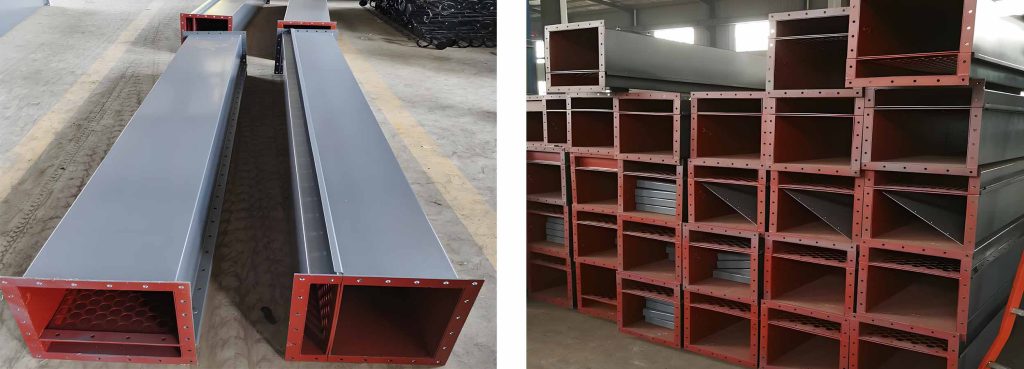
الجزء 3: مصفوفة القرار وملخص معايير الاختيار
استخدم هذا الجدول لإجراء مقارنة سريعة للناقل بناءً على مواصفات مشروعك.
| عامل الاختيار | ناقل لولبي | ناقل سلسلة FU | الشريحة الهوائية |
|---|---|---|---|
| نوع المادة | متعددة الاستخدامات: مساحيق، حبيبات، مواد شبه رطبة. | مساحيق جافة وحرة التدفق. لا مواد لزجة. | المساحيق الجافة جدًا والدقيقة فقط (مثل الأسمنت والرماد المتطاير). |
| نقل المسافة | المسافات القصيرة (أقل من 30 متراً). | المسافات المتوسطة إلى الطويلة (30-100 متر). | مسافة طويلة (حتى 100 متر) إذا كان المنحدر متاحاً. |
| التخطيط والمساحة | مرنة: أفقية أو مائلة. | أفقي تماماً. | يجب أن ينحدر للأسفل (4-12 درجة). يحتاج إلى مساحة للرأس. |
| التكلفة الرأسمالية (النفقات الرأسمالية) | أدنى مستوى. | عالية. | متوسط. |
| تكلفة التشغيل (OPEX) | عالية (الطاقة + الصيانة). | متوسطة (طاقة أقل، وتكلفة الجزء الأعلى). | منخفضة جداً (طاقة منخفضة، الحد الأدنى من الصيانة). |
| انبعاث الغبار والضوضاء | يمكن أن يتسرب الغبار. ضجيج معتدل. | احتواء ممتاز. ضوضاء منخفضة. | خالية من الغبار تقريباً. تشغيل صامت. |
| الأفضل لـ | مصانع الخلط، والتحويلات القصيرة، والمواد الصعبة. | الأنظمة محكمة الغلق، تغذية القمينة، التوزيع العلوي لصوامع الأسمنت. | نقل بكميات كبيرة، ومصانع صديقة للبيئة، وإعادة تدوير الغبار. |
التوصيات
ابدأ بتحليل المواد: إجراء اختبار توصيف المواد. محتوى الرطوبة وحجم الجسيمات هما العاملان الأكثر أهمية.
إجراء تحليل تكلفة دورة الحياة: احسب التكلفة الإجمالية للملكية (TCO) على مدى 10 سنوات، بما في ذلك توفير الطاقة، وجداول الصيانة، ومخزون قطع الغيار.
التشاور مع المتخصصين: تعامل مع موردي معدات مناولة السوائب الذين لديهم خبرة في صناعة الأسمنت. اطلب دراسات الحالة وبيانات الأداء.
التخطيط للسلامة والامتثال: إعطاء الأولوية دائمًا للحماية من الانفجارات (ATEX) للفحم والتأكد من أن التصميمات تفي باللوائح البيئية المحلية للغبار.
 English
  Russian
  French
  Portuguese
  Arabic
  Spanish
  Japanese