
Los profesionales dedicados a la fabricación de cemento, la ingeniería civil y la modernización de plantas cementeras se enfrentan con frecuencia a clinker de cemento. Como materia prima intermedia fundamental que determina la calidad del cemento, la durabilidad estructural y los costes generales de producción, el clinker constituye la columna vertebral de todos los productos cementeros modernos. Aunque se disponga de equipos avanzados de molienda y dosificación, no es posible producir cemento que cumpla los requisitos sin un clinker de alta calidad, lo que lo convierte en un elemento indispensable para la producción fiable de cemento apto para la construcción.
Para los operadores de plantas cementeras, los contratistas EPC, los compradores de equipos y los ingenieros de la construcción, es esencial contar con un conocimiento sólido de las propiedades del clinker de cemento, el flujo de trabajo de producción y sus ventajas funcionales, con el fin de optimizar la eficiencia operativa, estabilizar la calidad del producto y reducir los costes de fabricación a largo plazo. Esta guía detallada explica qué es el clinker de cemento, su composición mineral, el proceso completo de producción, los tipos más comunes y las diferencias fundamentales entre el clinker y el cemento acabado, respondiendo así a las preguntas técnicas más buscadas en el sector del cemento.
1. ¿Qué es el clinker de cemento?
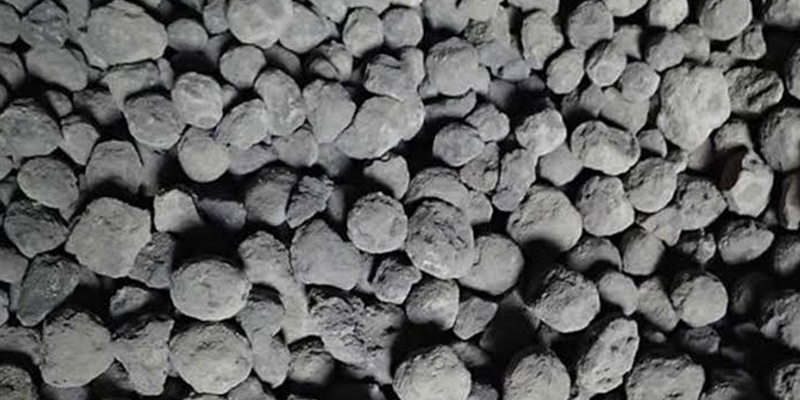
Clinker de cemento Es un producto intermedio duro y granulado que se obtiene mediante la sinterización a alta temperatura de materias primas en el interior de un horno rotatorio. No se trata de un material de construcción acabado, sino de la base esencial para la fabricación de cemento Portland y de diversos tipos de cementos especiales.
La formación del clinker depende de un procesamiento térmico preciso. Las materias primas, compuestas principalmente por piedra caliza, junto con arcilla y aditivos correctores, se someten a descomposición térmica, reorganización mineral y recristalización a temperaturas de hasta 1450 °C. Estas complejas reacciones físicas y químicas dan lugar a fases minerales estables del clinker que favorecen la hidratación del cemento, su endurecimiento y el desarrollo de su resistencia.
En la producción industrial, el clinker de cemento que cumple los requisitos presenta unas propiedades físicas uniformes que sirven como normas básicas de inspección del sector:
- Apariencia: Nódulos irregulares de color gris oscuro o negro con una estructura interna densa y compacta
- Tamaño de las partículas: Su grosor suele oscilar entre 5 mm y 25 mm, lo que lo hace ideal para el almacenamiento a largo plazo y el transporte a larga distancia
- Propiedades mecánicas: Alta dureza, excelente resistencia al desgaste y comportamiento estructural estable
- Rendimiento del almacenamiento: Atenuación lenta de la actividad, lo que permite mantener un rendimiento estable tras un almacenamiento prolongado
2. El papel fundamental del clinker de cemento en la fabricación de cemento
La producción de cemento constituye una cadena industrial completa que abarca desde el procesamiento de las materias primas hasta la obtención del polvo final, y el clinker constituye el eslabón intermedio más importante. Este actúa como puente entre la preparación de las materias primas y el acabado final del cemento, y determina el límite máximo de las prestaciones y la calidad del cemento.
Tras el sinterizado a alta temperatura en el horno rotatorio, el clinker se transporta a silos para su homogeneización y almacenamiento en condiciones estables. Para producir cemento acabado, el clinker se mezcla en las proporciones adecuadas con yeso y aditivos funcionales antes de someterse a una molienda fina en los molinos de cemento. A lo largo de todo el proceso de fabricación, el clinker desempeña tres funciones fundamentales e insustituibles.
En primer lugar, el clinker aporta todos los componentes minerales activos necesarios para la hidratación del cemento, generando las sustancias que confieren resistencia al cemento endurecido. En segundo lugar, establece la estructura básica de resistencia del hormigón, favoreciendo tanto el fraguado inicial como la estabilidad estructural a largo plazo. En tercer lugar, la estructura mineral interna del clinker controla directamente el tiempo de fraguado del cemento, la estabilidad volumétrica y la resistencia a la corrosión química.
Es importante señalar que los defectos de calidad del clinker provocados por un sinterizado insuficiente o por parámetros inestables del horno no pueden compensarse por completo mediante los procesos posteriores de molienda y mezcla. Por este motivo, el sinterizado del clinker sigue siendo el elemento central del control de calidad del cemento en las plantas cementeras modernas.
3. Por qué el clinker de cemento es fundamental para las plantas cementeras modernas
La importancia del clinker de cemento abarca la calidad del producto, la tecnología de fabricación, el control de costes y el comercio mundial del cemento. No solo determina las prestaciones del cemento, sino que también refleja la solidez técnica general y la rentabilidad de una planta de producción de cemento.
3.1 Determina el grado de calidad global del cemento acabado
Los indicadores clave del rendimiento del cemento —entre los que se incluyen el grado de resistencia a la compresión, los tiempos de fraguado inicial y final, la estabilidad volumétrica y la resistencia a los sulfatos— vienen determinados fundamentalmente por la composición mineral del clinker y el desarrollo cristalino de este. Las plantas con una producción estable de clinker ofrecen una calidad constante del cemento en la producción en serie, mientras que un clinker defectuoso o inestable da lugar a fluctuaciones en el rendimiento del cemento y a resultados de ingeniería que no cumplen los requisitos.
3.2 Favorece el desarrollo gradual de la resistencia de las estructuras de hormigón
Los distintos minerales presentes en el clinker contribuyen al desarrollo gradual de la resistencia. Los minerales de hidratación rápida aportan resistencia inicial para satisfacer los requisitos de construcción rápida y retirada temprana del encofrado, mientras que los minerales de reacción lenta mejoran de forma continua la resistencia y la durabilidad a largo plazo del hormigón. Las proporciones equilibradas de minerales en el clinker permiten que el cemento se adapte a edificios, carreteras, puentes, proyectos de gestión hidráulica y diversos escenarios de infraestructura.
3.3 Refleja el nivel técnico básico de la producción de cemento
La sinterización del clinker es la fase de la fabricación de cemento que requiere mayor consumo energético, que presenta mayor complejidad técnica y que está sometida a un control más estricto. Una producción estable de clinker de alta calidad requiere sistemas de dosificación perfeccionados, un control preciso de la temperatura del horno rotativo, equipos eficientes de precalentamiento y enfriamiento, y sistemas de monitorización inteligentes. Por lo tanto, la estabilidad de la calidad del clinker constituye un parámetro clave para evaluar la madurez técnica de una planta cementera.
3.4 Controla los costes de producción y la rentabilidad de la planta
La sinterización del clinker representa entre el 60% y el 70% del consumo total de energía en la producción de cemento. La optimización de los procesos de producción de clinker, la reducción del consumo unitario de combustible y la minimización del tiempo de inactividad de los equipos permiten reducir de manera efectiva los costes operativos generales. Para las empresas cementeras modernas, la optimización del proceso de clinker es la forma más eficaz de mejorar los márgenes de beneficio y la competitividad en el mercado.
3.5 Facilita el comercio mundial de clinker y una asignación flexible de recursos
En comparación con el cemento en polvo ya elaborado, el clinker presenta una mayor estabilidad y facilidad de transporte. Resiste el deterioro causado por la humedad durante el transporte a larga distancia y el almacenamiento prolongado. Muchos fabricantes regionales importan clinker para su molienda y procesamiento a nivel local, lo que reduce la inversión en equipos a gran escala y permite una asignación flexible de la capacidad dentro de la cadena de suministro mundial del cemento.
4. Composición mineral y propiedades funcionales del clinker de cemento
Las diferencias de rendimiento entre los distintos tipos de clinker se deben principalmente a las diferentes proporciones de las cuatro fases minerales principales. Cada componente mineral aporta características funcionales únicas, y el ajuste preciso de la proporción de minerales constituye el objetivo fundamental de la optimización de la calidad del clinker.
4.1 Silicato tricálcico (C₃S)
El C₃S es el mineral principal responsable de la resistencia inicial del cemento. Se hidrata rápidamente tras mezclarse con agua, libera un calor de hidratación moderado y permite un rápido desarrollo de la resistencia del hormigón en las primeras fases. El clinker con un mayor contenido de C₃S resulta adecuado para proyectos de construcción de ejecución acelerada que requieren un rápido aumento de la resistencia. Sin embargo, un exceso de C₃S aumenta el calor de hidratación y eleva el riesgo de fisuración térmica en estructuras de hormigón macizo, lo que exige un control preciso de las proporciones.
4.2 Silicato dicálcico (C₂S)
El C₂S se caracteriza por reacciones de hidratación lentas y estables, lo que contribuye en poca medida a la resistencia inicial, pero mejora significativamente la resistencia a largo plazo del hormigón y la durabilidad estructural. El clinker optimizado con elevadas proporciones de C₂S produce un cemento de bajo calor, ampliamente utilizado en presas, grandes plataformas de cimentación y proyectos de hormigón de gran volumen para evitar grietas estructurales causadas por un exceso de calor de hidratación.
4.3 Aluminato tricálcico (C₃A)
El C₃A reacciona con extrema rapidez con el agua e influye directamente en la velocidad de fraguado inicial del cemento. Un contenido moderado de C₃A mejora la eficiencia en las primeras fases de la construcción, mientras que un exceso de C₃A provoca un fraguado prematuro y merma la trabajabilidad. Además, un alto contenido de C₃A reduce la resistencia a los sulfatos, por lo que el clinker de cemento resistente a los sulfatos requiere una limitación estricta del contenido de C₃A.
4.4 Aluminoferrita tetracálcica (C₄AF)
El C₄AF tiene un impacto limitado en la resistencia del cemento, pero aporta funciones auxiliares fundamentales durante la sinterización del clinker. Reduce la temperatura de sinterización de la materia prima, mejora la capacidad de combustión y estabiliza el funcionamiento del horno rotatorio. Por otra parte, el contenido de C₄AF determina el color del clinker y del cemento, lo cual es esencial para la producción de cemento blanco y de cemento decorativo de colores.
5. Proceso completo de producción de clinker de cemento (flujo estándar industrial)
La calidad estable del clinker depende de unos procedimientos de producción estandarizados e interrelacionados, que abarcan desde el tratamiento de las materias primas hasta el enfriamiento del clinker acabado. Cada fase del proceso de producción influye en la formación mineral del clinker, el consumo de energía y la calidad del producto final, y los equipos profesionales de transporte y eliminación de polvo garantizan un funcionamiento estable y respetuoso con el medio ambiente.
5.1 Trituración y prehomogeneización de la materia prima
La piedra caliza en bruto y la arcilla presentan una composición química irregular, lo que provoca un funcionamiento inestable del horno si se introducen directamente en el horno rotatorio. En la primera fase de producción, las materias primas a granel se trituran y se transportan de forma continua al depósito a través de cintas transportadoras para el apilamiento por capas y la prehomogeneización. Dado que la trituración y el transporte por cinta generan una cantidad considerable de polvo, los filtros de mangas están equipados para la eliminación de polvo mediante presión negativa, lo que permite controlar las emisiones, mantener limpio el entorno del taller y garantizar una composición estable de la materia prima para obtener una calidad constante del clinker.
5.2 Molienda de pienso sin procesar
Las materias primas prehomogeneizadas se transportan verticalmente a molinos verticales o molinos de bolas mediante elevadores de cangilones. La estructura totalmente cerrada de los elevadores de cangilones evita de forma eficaz el derrame de material y la propagación de polvo. La harina cruda se muele hasta obtener un polvo fino con un tamaño de partícula uniforme, con el fin de aumentar la superficie de contacto de los minerales y favorecer que se produzcan reacciones químicas suficientes durante la sinterización a alta temperatura, evitando así la aparición de clinker defectuoso, ya sea por sinterización insuficiente o excesiva. Todo el sistema de molienda está equipado con colectores de polvo de filtro de mangas de alta eficiencia para recuperar los materiales finos, reducir los residuos y cumplir con las normas industriales de protección medioambiental en materia de emisiones.
5.3 Precalentamiento y precalcificación
Las nuevas y modernas líneas de producción de cemento por proceso en seco incorporan sistemas de precalentadores de ciclones multietapa y calcinadores. El polvo de mezcla de materias primas que cumple los requisitos se transporta de forma uniforme y hermética al precalentador a través de transportadores de deslizamiento neumático impulsado por la fuerza del flujo de aire. La mayor parte de la descomposición del carbonato cálcico se completa antes de que la harina cruda entre en el horno rotatorio, lo que reduce considerablemente la carga térmica del horno, mejora la eficiencia térmica y reduce el consumo de combustible por unidad. El sistema integrado de transporte y precalentamiento funciona en combinación con equipos profesionales de eliminación de polvo para mantener unas condiciones de producción estables y respetuosas con el medio ambiente.
5.4 Sinterización a alta temperatura en horno rotatorio
El horno rotatorio es el equipo fundamental para la formación del clinker. La mezcla de materia prima precalcinada se desplaza lentamente por el interior del horno rotatorio y se calienta hasta alcanzar una temperatura máxima de 1450 °C. Diversos óxidos sufren una reorganización mineral y una recristalización para formar fases minerales estables del clinker. El control preciso de la temperatura del horno, el tiempo de permanencia del material y la atmósfera interna del horno es esencial para evitar un exceso de cal libre y estructuras minerales defectuosas.
5.5 Enfriamiento controlado del clinker
El clinker a alta temperatura que sale del horno rotatorio se enfría de forma rápida y uniforme mediante un enfriador de rejilla. La velocidad de enfriamiento, determinada científicamente, estabiliza la estructura cristalina óptima del clinker, mejora su molturabilidad y recicla el calor residual para el precalentamiento y el secado de la materia prima. Tras el enfriamiento, las partículas de clinker se transportan a los silos de clinker mediante un sistema combinado de cintas transportadoras resistentes a altas temperaturas y elevadores de cangilones. El sistema de transporte totalmente cerrado se combina con equipos especializados de eliminación de polvo para recoger de forma centralizada el polvo en suspensión. Los sistemas optimizados de enfriamiento, transporte de material y eliminación de polvo estabilizan la calidad del clinker, mejoran la eficiencia energética global y permiten una producción limpia y estandarizada en el taller.
6. Tipos habituales de clinker de cemento y sus aplicaciones industriales
Los distintos escenarios de ingeniería y entornos de servicio requieren un rendimiento del cemento adaptado a cada caso. Mediante el ajuste de las proporciones de las mezclas de materias primas y de los parámetros de sinterización del horno rotatorio, los fabricantes pueden producir múltiples tipos de clinker para satisfacer las diversas exigencias de la construcción civil e industrial.
6.1 Clinker de cemento Portland ordinario
Al ser el tipo de clinker más utilizado, el clinker Portland ordinario se caracteriza por unas proporciones minerales equilibradas, una resistencia inicial estable y una excelente durabilidad a largo plazo. Se adapta perfectamente a los proyectos de construcción convencionales, como edificios residenciales, autopistas, puentes e infraestructuras municipales, y constituye el producto principal de la mayoría de las fábricas de cemento.
6.2 Clinker de cemento de baja temperatura
El clinker de bajo calor reduce el contenido de C₃S y C₃A para disminuir la liberación de calor de hidratación. Previene eficazmente las grietas por diferencias de temperatura en estructuras de hormigón en masa y se utiliza especialmente en presas de regadío, cimientos de maquinaria de gran tamaño y proyectos de hormigón a gran escala.
6.3 Clinker de cemento resistente a los sulfatos
Fabricado con proporciones de C₃A ultrabajas, este tipo de clinker mejora significativamente la resistencia a la erosión por sulfatos y a la erosión química. Se utiliza ampliamente en ingeniería naval, galerías de tuberías subterráneas, instalaciones de tratamiento de aguas residuales y otros entornos altamente corrosivos.
6.4 Clinker de cemento blanco
El clinker de cemento blanco se fabrica a partir de materias primas de alta pureza y bajo contenido en hierro, y se somete a un control riguroso de la atmósfera del horno para eliminar las impurezas de color. Gracias a su color puro y su textura estable, se utiliza principalmente para la decoración arquitectónica, el modelado artístico y proyectos de paisajismo de alta calidad con estrictos requisitos estéticos.
7. Clinker frente a cemento: diferencias clave para principiantes
Muchas personas que se inician en el sector confunden el clinker de cemento con el cemento acabado, pero se trata de dos productos totalmente distintos dentro de la cadena de producción del cemento, con características y aplicaciones diferenciadas.
Características del producto: El clinker es un material intermedio semiacabado que se obtiene mediante sinterización a alta temperatura; el cemento es el material de construcción comercial final que se suministra al mercado de la construcción.
Forma física: El clinker se presenta en forma de nódulos granulares duros, con gran estabilidad y resistencia al desgaste; el cemento es un polvo fino con una elevada reactividad al agua.
Usabilidad directa: El clinker no puede utilizarse directamente en la construcción, sino que requiere una molienda adicional y una mezcla con aditivos; el cemento acabado puede mezclarse directamente con agua y áridos para la construcción con hormigón.
Posicionamiento central: El clinker determina el límite máximo de rendimiento del cemento, mientras que el cemento alcanza un rendimiento técnico estandarizado y práctico gracias a un procesamiento minucioso y al ajuste de la fórmula. En pocas palabras, el clinker sienta las bases del rendimiento y el cemento aporta el valor final a la construcción.
Desde el punto de vista de la producción, la calidad del clinker depende de la tecnología de sinterización en horno rotatorio y del control de los parámetros, mientras que la calidad del cemento acabado viene determinada por la eficiencia de la molienda y la precisión en la dosificación.
8. Conclusión
El clinker de cemento constituye la piedra angular de la industria cementera mundial. Su composición mineral, la calidad de su sinterización y su proceso de producción determinan directamente la resistencia y la durabilidad del cemento, así como su coste de producción y su ámbito de aplicación. Para el funcionamiento de las cementeras, la inversión en proyectos y la selección de equipos, es fundamental conocer a fondo las normas de producción del clinker y los puntos clave del control de calidad, con el fin de mejorar la competitividad del producto y los beneficios económicos.
Si tiene previsto construir una nueva línea de producción de clinker, modernizar una planta de cemento ya existente o adquirir equipos de procesamiento y transporte de cemento de alta eficiencia, le ofrecemos soluciones industriales a medida y un servicio integral de asistencia para equipos de cemento, con el fin de ayudar a las fábricas a lograr una producción estable de clinker de alta calidad y un funcionamiento eficiente y económico.
 English
  Russian
  French
  Portuguese
  Arabic
  Spanish
  Japanese