
Nas operações de fabrico industrial e de extração mineira, os colectores de poeiras do tipo "baghouse" contam-se entre os dispositivos de controlo da poluição atmosférica mais utilizados.
O que é uma Baghouse?
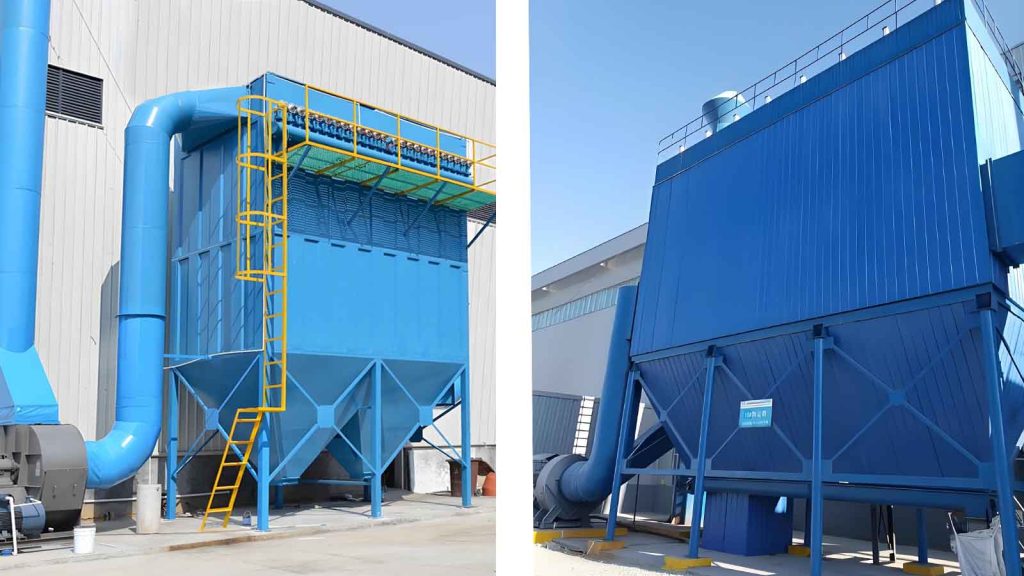
Para que é que uma casa de sacos é utilizada na recolha de poeiras?
Como funciona um coletor de pó tipo "Baghouse"?
Desvantagens dos filtros de manga
A maior desvantagem dos filtros de mangas é a sua fraca adaptabilidade a gases de combustão com elevada humidade e baixa temperatura. Em ambientes com poeiras de elevada humidade, as partículas de poeira aderem facilmente à superfície dos sacos de filtro, provocando o seu entupimento e endurecimento. Ao mesmo tempo, o equipamento é suscetível à condensação causada pelo ponto de orvalho dos gases de combustão, o que leva a problemas como um aumento súbito da resistência do sistema, redução do fluxo de ar, aglomeração no depósito de cinzas e acumulação de pó nas condutas. Além disso, os sacos de filtro são componentes consumíveis que requerem inspeção e substituição regulares, e os requisitos diários de operação e manutenção deste equipamento são significativamente mais elevados do que os de outros sistemas de recolha de poeiras.
No funcionamento diário dos colectores de poeiras em casa de sacos, as condições de elevada humidade das poeiras são os problemas mais comuns e mais difíceis de resolver. Ao contrário da recolha convencional de poeiras secas, as aplicações como a secagem de lamas de carvão, o processamento de pó mineral, o manuseamento de matérias-primas químicas e o processamento de alimentos envolvem normalmente uma elevada humidade ambiente, um elevado teor de humidade nas poeiras e uma tendência para a condensação nos gases de combustão.
Diferença entre poeira de alta humidade e poeira seca
Muitos operadores de instalações não compreendem bem as poeiras com elevada humidade. Acreditam que as poeiras ligeiramente húmidas apenas necessitam de simples ajustes de limpeza, o que leva a falhas contínuas nos filtros de sacos.
Três falhas típicas de casas de mangas causadas por poeiras de humidade elevada
1. Blinding e endurecimento do saco de filtro
- A limpeza por impulsos não consegue remover completamente o pó, o que resulta num fraco desempenho de limpeza
- A permeabilidade ao ar do saco do filtro diminui, provocando um aumento contínuo da diferença de pressão do sistema
- A acumulação prolongada de poeiras húmidas leva ao endurecimento irreversível do saco do filtro, exigindo a substituição total do saco
A obstrução dos sacos filtrantes é a principal razão para as paragens dos filtros de sacos e para os elevados custos de manutenção em condições de trabalho de elevada humidade.
2. Entupimento da tremonha de cinzas e das pontes
Os sintomas comuns no local incluem:
- A válvula de descarga de cinzas está ao ralenti sem descarregar poeiras
- Nível anormal do material da tremonha de cinzas e descarga incompleta de poeiras
- Aumento da resistência do sistema e diferença de pressão consistentemente elevada
O entupimento da tremonha de cinzas desequilibra o volume de ar do sistema e reduz a pressão negativa. Diminui a eficiência da remoção de poeiras na parte frontal e cria um ciclo vicioso de deterioração do desempenho do filtro de mangas.
3. Acumulação de poeiras nas condutas e redução do volume de ar
A acumulação de poeiras nas condutas causa os seguintes problemas:
- Redução do diâmetro efetivo do tubo e aumento da resistência à ventilação
- Menor volume de ar e pressão de ar do sistema, levando a resultados de remoção de poeiras abaixo do padrão
- Queda gradual da eficiência sem sinais óbvios de alarme do equipamento
Três causas principais das falhas na remoção de poeiras com humidade elevada
Soluções preventivas na fase de conceção do filtro de mangas
1. Controle a temperatura do gás de entrada e evite o intervalo do ponto de orvalho
2. Instale o isolamento completo do armário para impedir a condensação
3. Adopte um meio filtrante resistente à humidade elevada
4. Equipar vibradores de tremonha de cinzas e dispositivos de quebra de arcos
Dicas de gestão de operação e manutenção finas
A manutenção diária científica reduz eficazmente as taxas de avaria da casa dos sacos em ambientes de humidade elevada e prolonga a vida útil dos sacos de filtro e de todo o sistema de despoeiramento.
- Optimize a frequência de limpeza por impulsos: Aumente adequadamente a frequência de limpeza e ajuste os intervalos de impulsos para remover atempadamente o pó húmido e evitar a compactação, ao mesmo tempo que evita danos no saco do filtro devido a uma limpeza excessiva.
- Efectue inspecções regulares da tremonha de cinzas: Verifique diariamente o estado da descarga de poeiras e limpe imediatamente as incrustações menores para evitar que pequenos problemas se transformem num bloqueio total do sistema.
- Monitorize as tendências da diferença de pressão: A humidade elevada provoca um aumento gradual da diferença de pressão. O ajuste precoce dos parâmetros e a intervenção evitam eficazmente o endurecimento do saco do filtro e paragens não planeadas.
- Estabilize a temperatura do gás de combustão: Evite quedas bruscas de temperatura durante o arranque, a paragem e a mudança de estado do equipamento, uma vez que o arrefecimento súbito é o principal fator de condensação e de cegueira dos sacos.
Experiência de campo: A remoção de poeiras com elevada humidade depende da correspondência do sistema
Padrões de falha para desligamento de emergência
O atraso na manutenção piora o desgaste do equipamento e aumenta os custos operacionais. Os operadores devem desligar imediatamente a casa dos sacos para inspeção se ocorrerem os seguintes problemas:
- Diferença de pressão persistente acima do limite que não consegue regressar ao intervalo normal
- Bloqueio total da tremonha de cinzas e falha na descarga de poeiras
- Endurecimento do saco do filtro de grande área e limpeza por impulsos ineficaz
- Emissão anormal de gases de combustão e concentração excessiva de poeiras à saída
Conclusão
O controlo razoável da temperatura, o design anti-condensação, a seleção profissional dos meios filtrantes, a otimização estrutural e o ajuste preciso dos parâmetros podem resolver completamente as falhas comuns, tais como o bloqueio do saco do filtro, o bloqueio da tubagem e a aglomeração de cinzas. Estas medidas asseguram a estabilidade da produção contínua e permitem reduzir os custos e melhorar a eficiência dos sistemas de despoeiramento industrial.
 English
  Russian
  French
  Portuguese
  Arabic
  Spanish
  Japanese