
Introdução
Como funciona um sistema de controlo de poeiras numa fábrica de cimento?
O sistema de recolha de poeiras funciona de acordo com quatro etapas distintas.
1. Captura de poeiras: São instalados exaustores nos pontos geradores de poeiras - tais como trituradores, moinhos, silos e estações de embalagem - para captar as poeiras na fonte e evitar a sua dispersão descontrolada.
2. Transporte de ar: Um ventilador de tiragem induzida gera uma pressão negativa estável, puxando o ar carregado de poeiras através de condutas seladas para a unidade de recolha de poeiras. A disposição adequada das condutas assegura um controlo suave do fluxo de poeiras de cimento, evitando bloqueios ou fugas.
3. Filtragem e separação: As partículas de pó grosso assentam naturalmente devido à gravidade, enquanto o pó fino é intercetado por filtros de saco industriais de elevado desempenho. O ar limpo passa através do meio filtrante, conseguindo uma separação fiável do ar e do pó.
4. Remoção de poeiras e emissões conformes: Um sistema de limpeza por jato de impulsos remove automaticamente as poeiras aderentes aos filtros de mangas industriais. O pó recolhido cai numa tremonha para eliminação periódica e o ar purificado é descarregado para a atmosfera em conformidade com as normas de emissão.
Componentes principais de um sistema de recolha de poeiras
Um sistema completo depende de componentes que trabalham em conjunto para manter um funcionamento estável.
- Exaustores para captar as poeiras na fonte
- Condutas seladas para o transporte de ar carregado de poeiras
- A unidade principal de recolha de pó, que serve como equipamento de filtragem principal
- Filtros de saco industriais concebidos para captar poeiras finas em ambientes corrosivos e de alta temperatura
- Um sistema de limpeza por jato de impulsos para manter o desempenho da filtragem a longo prazo
- Um ventilador de tiragem induzida para proporcionar uma pressão negativa contínua
- Uma tremonha e uma estrutura de descarga para recolha e recuperação de poeiras
- Traduzido com DeepL.com (versão gratuita)
Principais vantagens de um sistema de controlo de poeiras
- Cumpra as normas de emissão locais e elimine multas ou suspensões de produção
- Reduza os riscos para a saúde respiratória dos trabalhadores no local
- Minimize o desgaste mecânico causado por poeiras flutuantes e aumente a vida útil do equipamento
- Reduza os riscos de explosão ocultos de poeiras combustíveis acumuladas
- Recicle as matérias-primas utilizáveis contidas nas poeiras capturadas
- Crie um ambiente de fábrica mais limpo, mais seguro e mais normalizado
Aplicações dos sistemas de controlo de poeiras nas fábricas de cimento
- Oficinas de trituração de matérias-primas e de moagem de matérias-primas
- Tratamento dos gases de combustão do forno rotativo e do arrefecedor de clínquer
- Remoção de poeiras da parte superior do silo de cimento, do silo de farinha crua e do silo de cinzas volantes
- Estações de embalagem de cimento e zonas de carga a granel
- Pontos de transferência de transportadores e estações de descarga de material
- Recolha de poeiras de moinhos de carvão e cenários de trabalho à prova de explosão
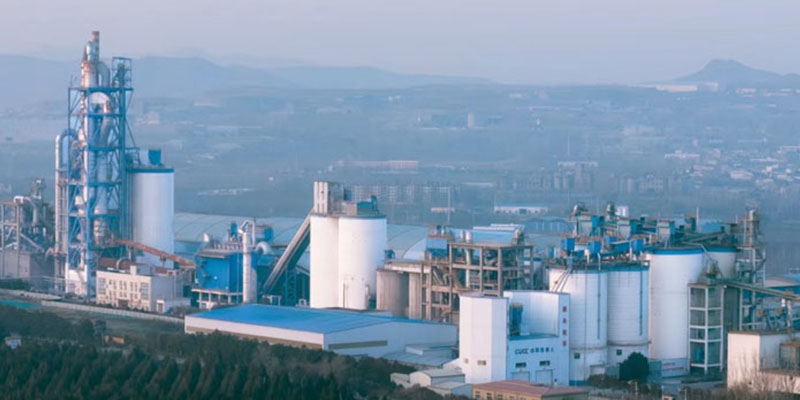
Tipos comuns de equipamento de controlo de poeiras
- Coletor de pó de saco de jato de pulso: Equipado com filtros de mangas industriais duradouros, as suas principais vantagens incluem uma elevada eficiência de filtração (capaz de captar partículas finas de pó tão pequenas como 0,1 μm), uma excelente eficiência de limpeza e um funcionamento estável. São adequados para as condições de alta temperatura (suportando 120-260°C) e alta concentração de poeira encontradas nas fábricas de cimento. Amplamente utilizados nos principais processos geradores de poeiras, como fornos rotativos, arrefecedores de clínquer e oficinas de moagem de matérias-primas, tratam eficazmente as poeiras do cimento e do clínquer, cumprindo os rigorosos requisitos de emissões ambientais. Além disso, são fáceis de manter, reduzindo o tempo de inatividade.
- Coletor de pó à prova de explosão: Equipado com placas anti-estáticas, dispositivos de alívio de pressão à prova de explosão e meios filtrantes retardadores de chama, a sua principal vantagem reside no excelente desempenho de segurança. Elimina eficazmente o risco de explosões de poeiras combustíveis e é adequado para ambientes com poeiras combustíveis em fábricas de cimento, tais como moinhos de carvão e silos de carvão pulverizado. Pode tratar poeiras inflamáveis e explosivas, como o carvão pulverizado, mantendo uma elevada eficiência de filtragem, equilibrando a segurança e a proteção ambiental. Em conformidade com as normas NFPA à prova de explosão, é adequado para utilização a longo prazo em áreas operacionais de alto risco.
- Separador de ciclone: As suas principais vantagens incluem uma estrutura simples, baixo custo, elevada resistência ao desgaste e fácil manutenção, não necessitando de sistemas complexos de limpeza de poeiras. São utilizados principalmente para a separação primária de poeiras grossas, pré-tratando partículas de poeiras grandes (tamanho de partícula de 10 μm ou superior) para reduzir a carga no equipamento de filtragem fina subsequente. São aplicados em cenários com elevados níveis de poeiras grosseiras, tais como oficinas de trituração de matérias-primas e pontos de transferência de transportadores, servindo como equipamento de pré-tratamento em conjunto com outros colectores de poeiras para aumentar a eficiência global da remoção de poeiras.
- Coletor de pó de cartucho: De estrutura compacta e com uma pequena área de implantação, as suas principais vantagens incluem uma elevada eficiência de filtragem, baixo consumo de energia e baixos níveis de ruído. É adequado para pontos de geração de poeiras de pequena a média dimensão, tais como estações de embalagem de fábricas de cimento, topos de pequenos silos e laboratórios - cenários com concentrações moderadas de poeiras e espaço de instalação limitado. Pode lidar com poeiras finas, proporciona uma limpeza completa e requer uma manutenção pouco frequente, tornando-o ideal para áreas com elevados padrões ambientais e espaço limitado.
Como escolher o sistema correto de controlo de poeiras
Conclusão
A gestão de poeiras é indispensável para a produção moderna de cimento. Uma disposição completa do controlo de poeiras nas fábricas de cimento, uma conceção optimizada do fluxo de poeiras para o controlo do cimento e filtros de saco industriais qualificados constroem, em conjunto, um sistema de fábrica de cimento de controlo de poeiras estável, compatível e amigo do ambiente para um funcionamento a longo prazo.
 English
  Russian
  French
  Portuguese
  Arabic
  Spanish
  Japanese